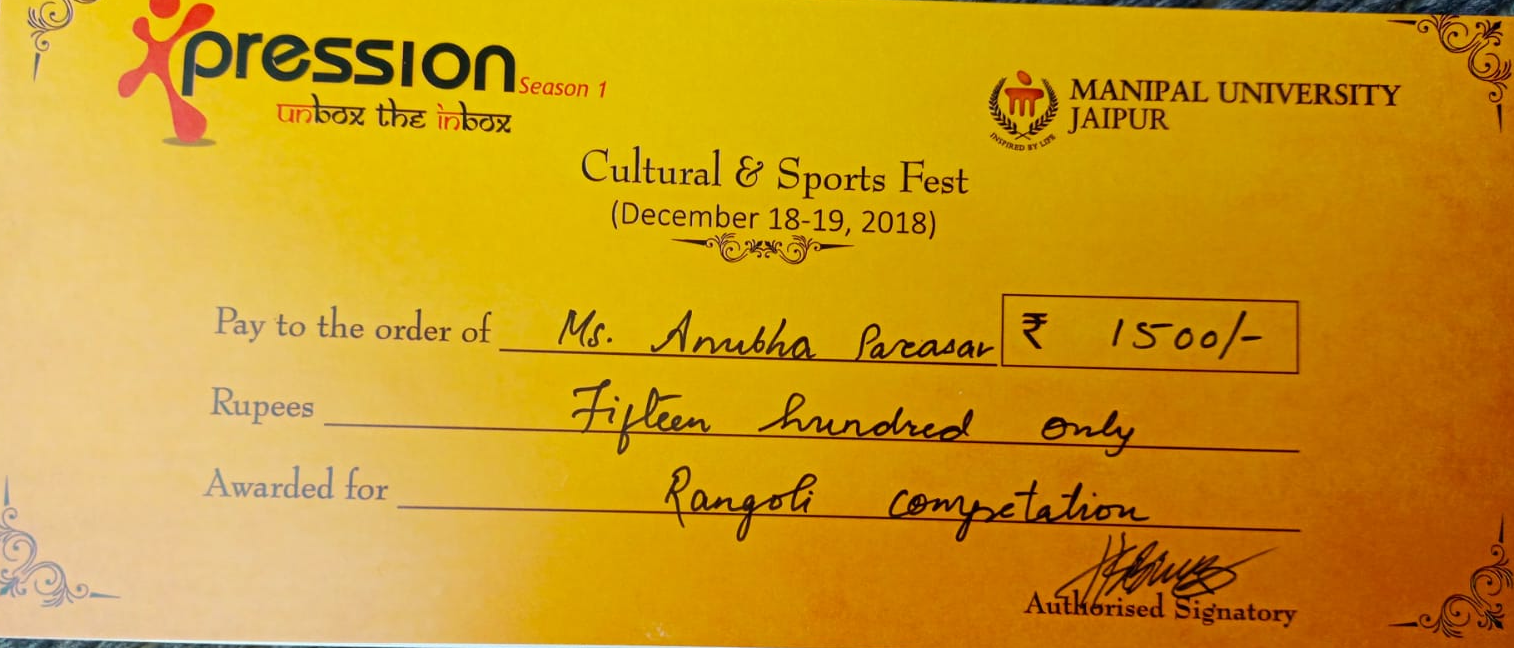
Xpression Cultural & Sports Fest - 1st Position, Rangoli Competition
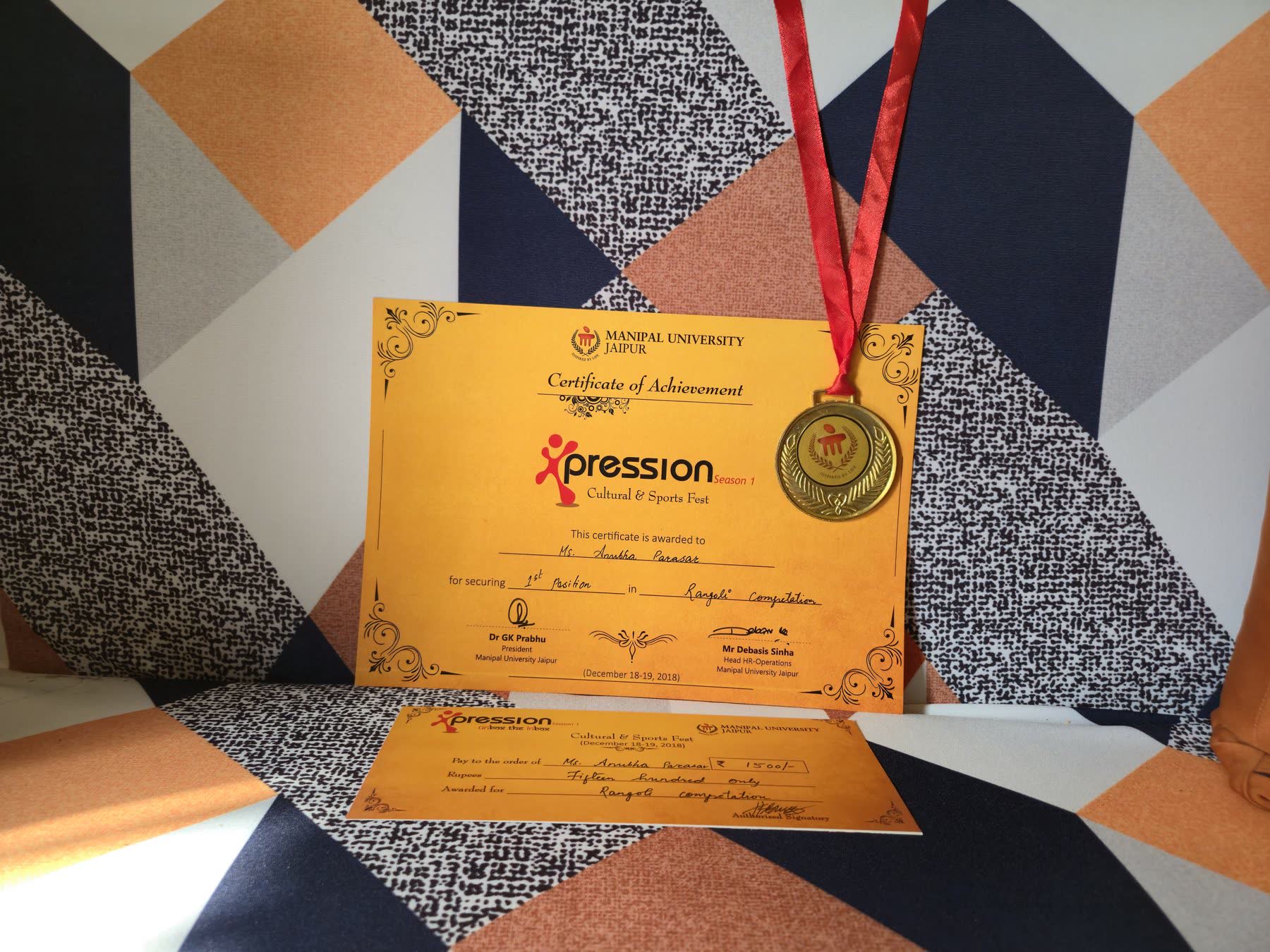
This certificate and medal preserve a special Rangoli achievement at Manipal University Jaipur, where creativity, patience, and tradition came together beautifully.
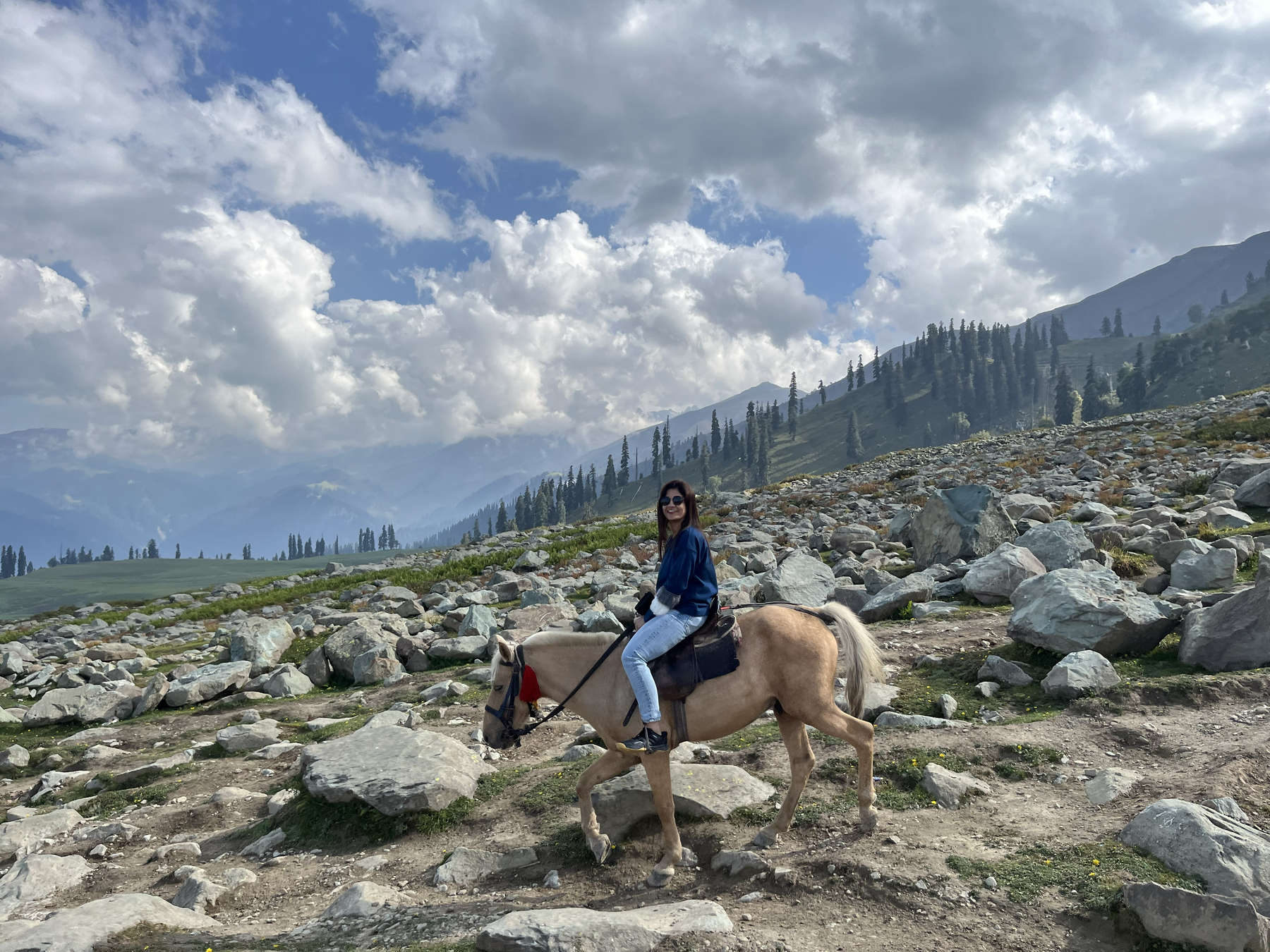
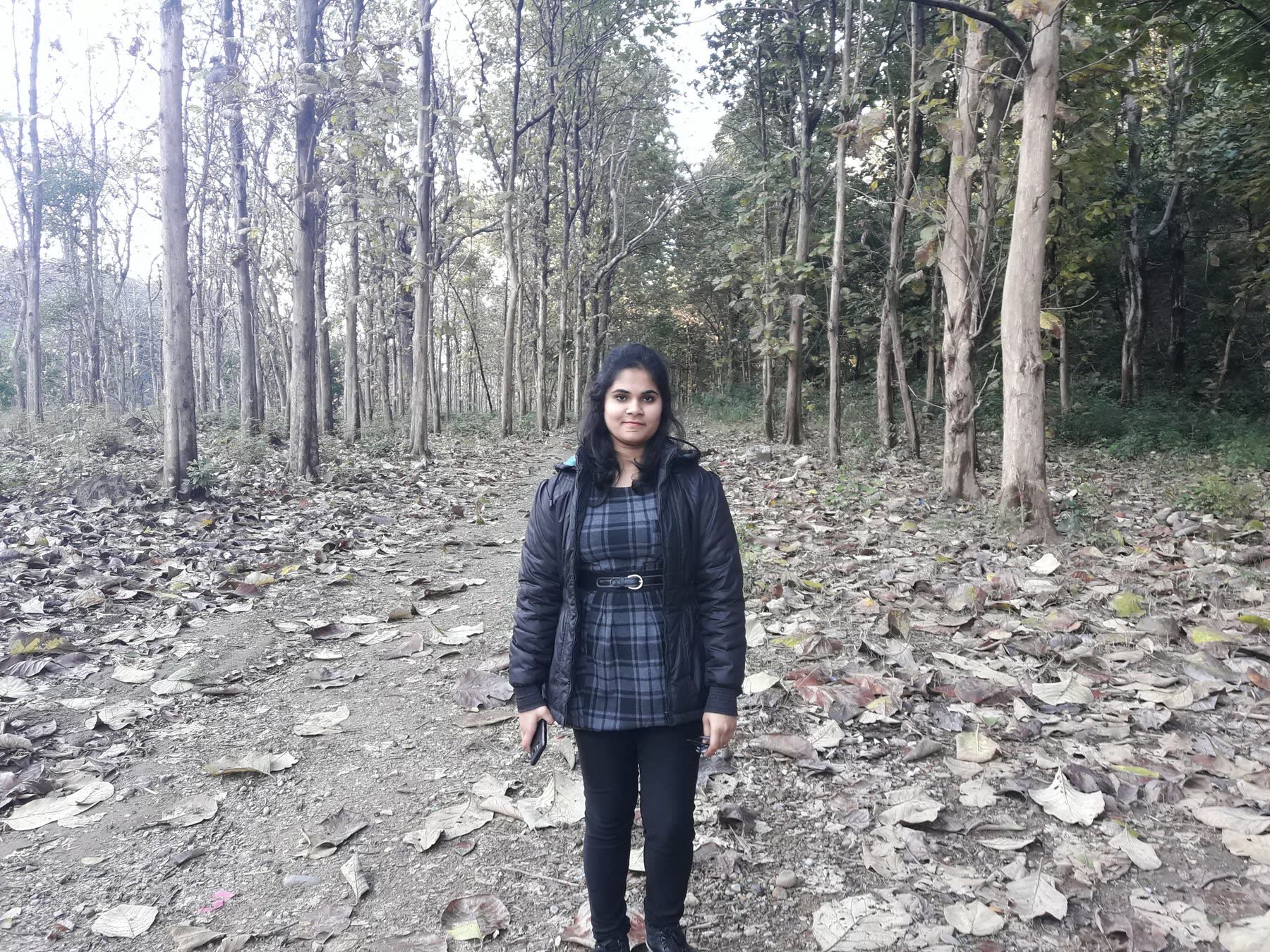
There is no better way to reset the mind than a long walk through nature. Trekking teaches you to be present — to read the terrain, manage your energy, and trust the path even when the summit is not yet visible. It is a perfect metaphor for research: the destination is rarely visible from the start, but every step forward counts.
I have trekked trails across Rajasthan and the Himalayas, and each journey has returned me to my desk with clearer eyes and fresh ideas. The rhythm of walking, the absence of screens, and the scale of the landscape all conspire to produce the kind of lateral thinking that hours at a desk cannot.
I often encourage students to step away from their screens regularly. Physical distance from a problem is one of the most underrated debugging tools in existence.
An early-morning hike to the Gad Ganesh temple perched in the Aravalli foothills above Jaipur — rocky trails, cool air, and sweeping Pink City views at sunrise.
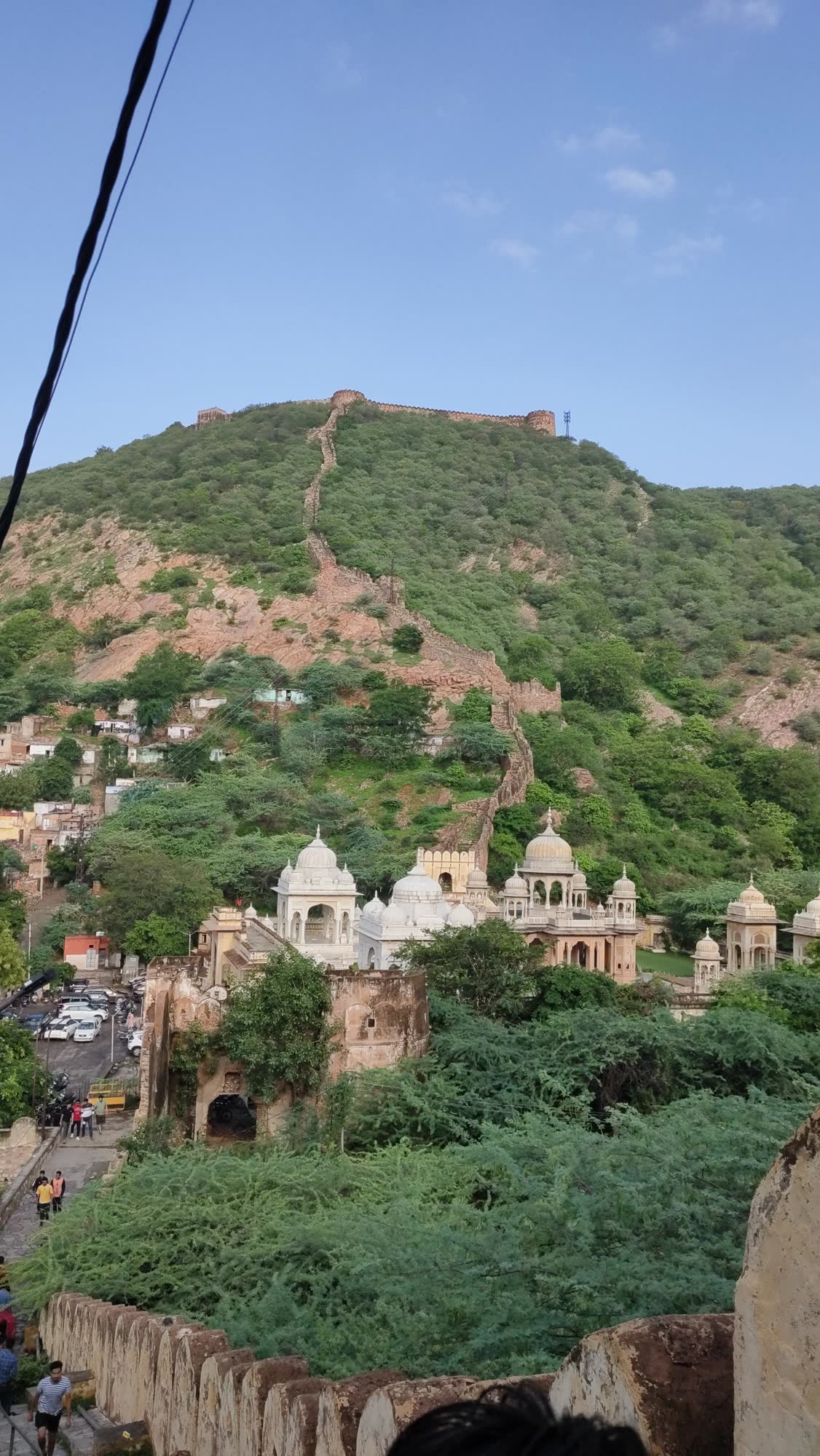
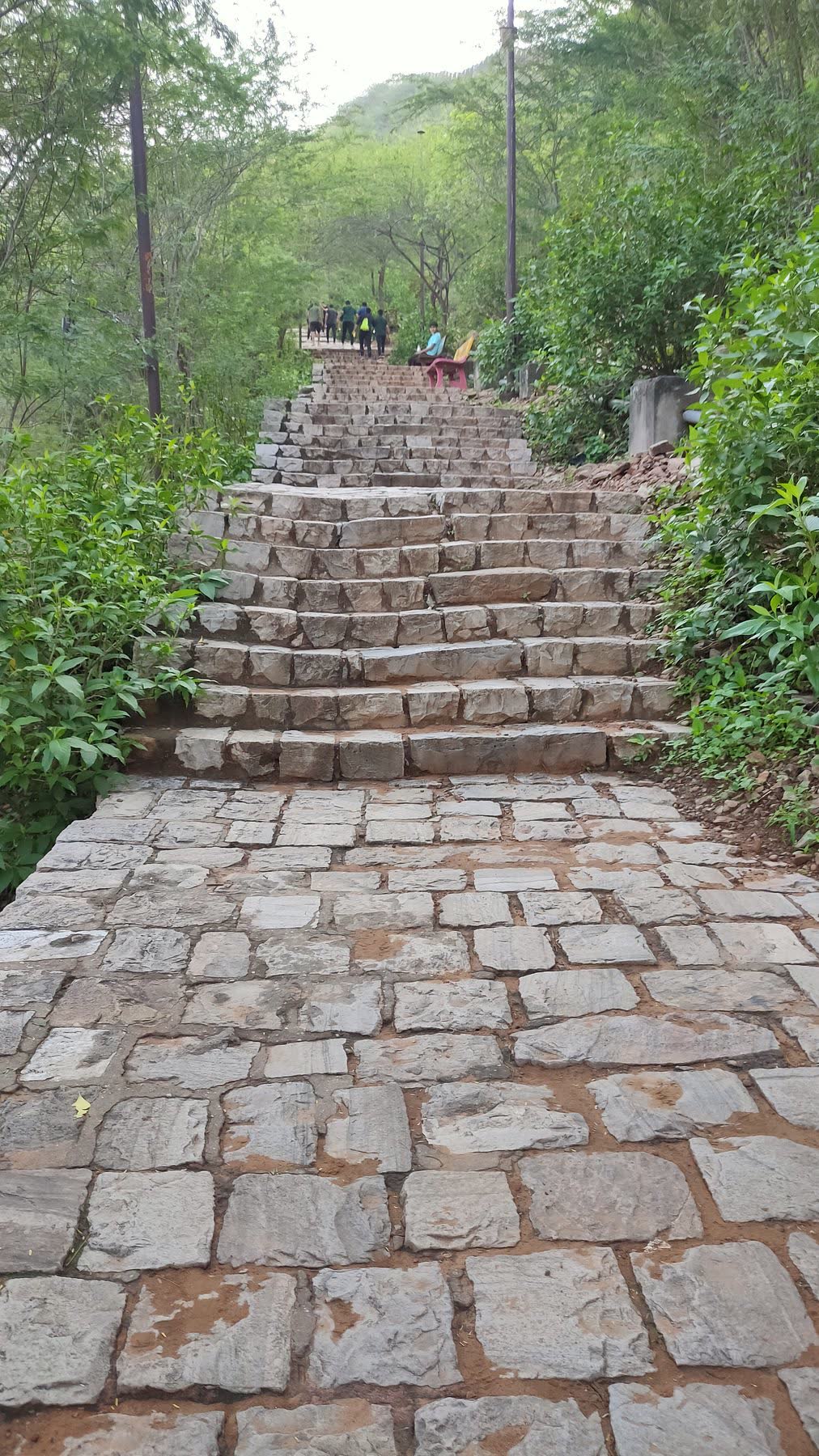
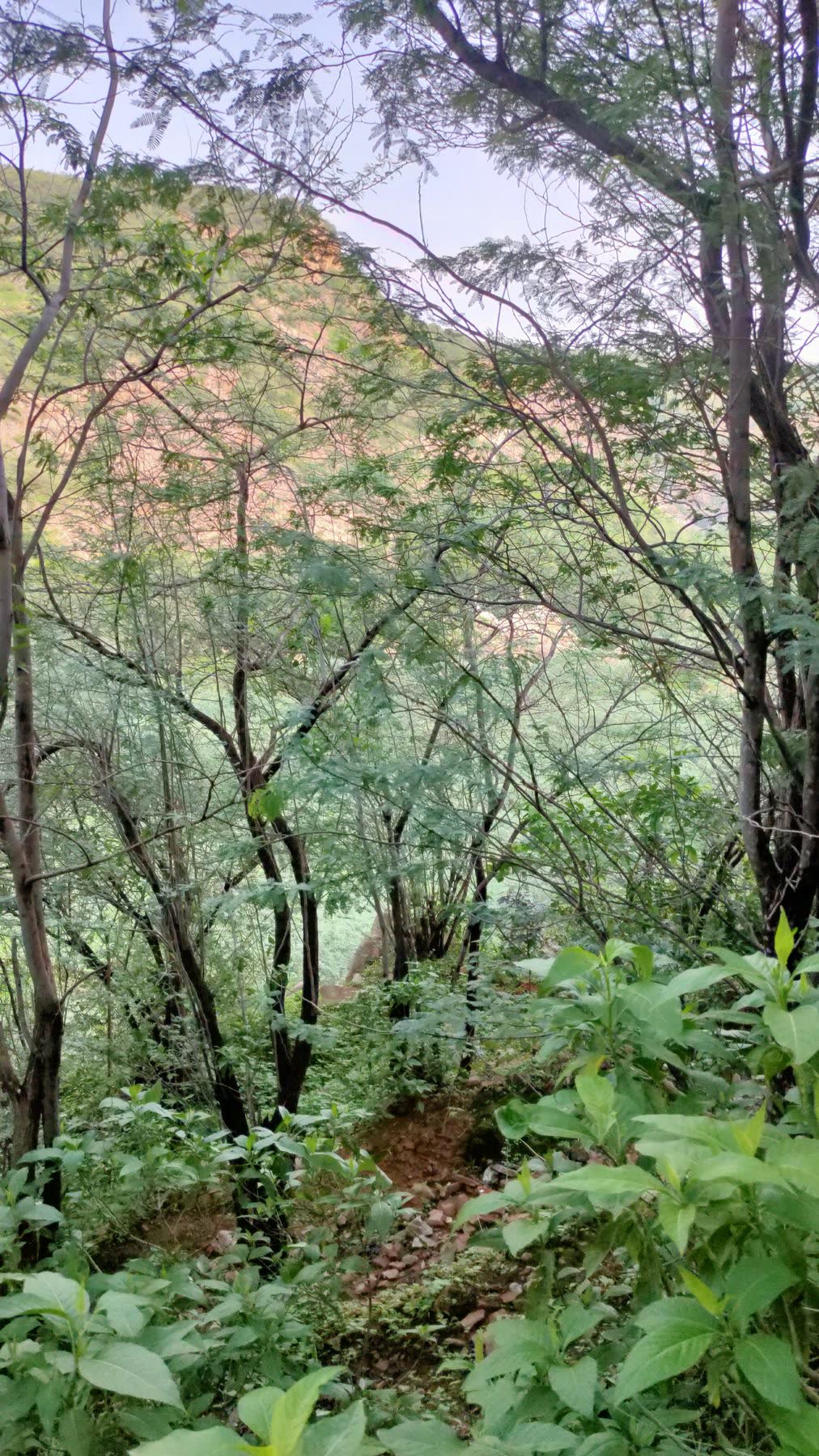
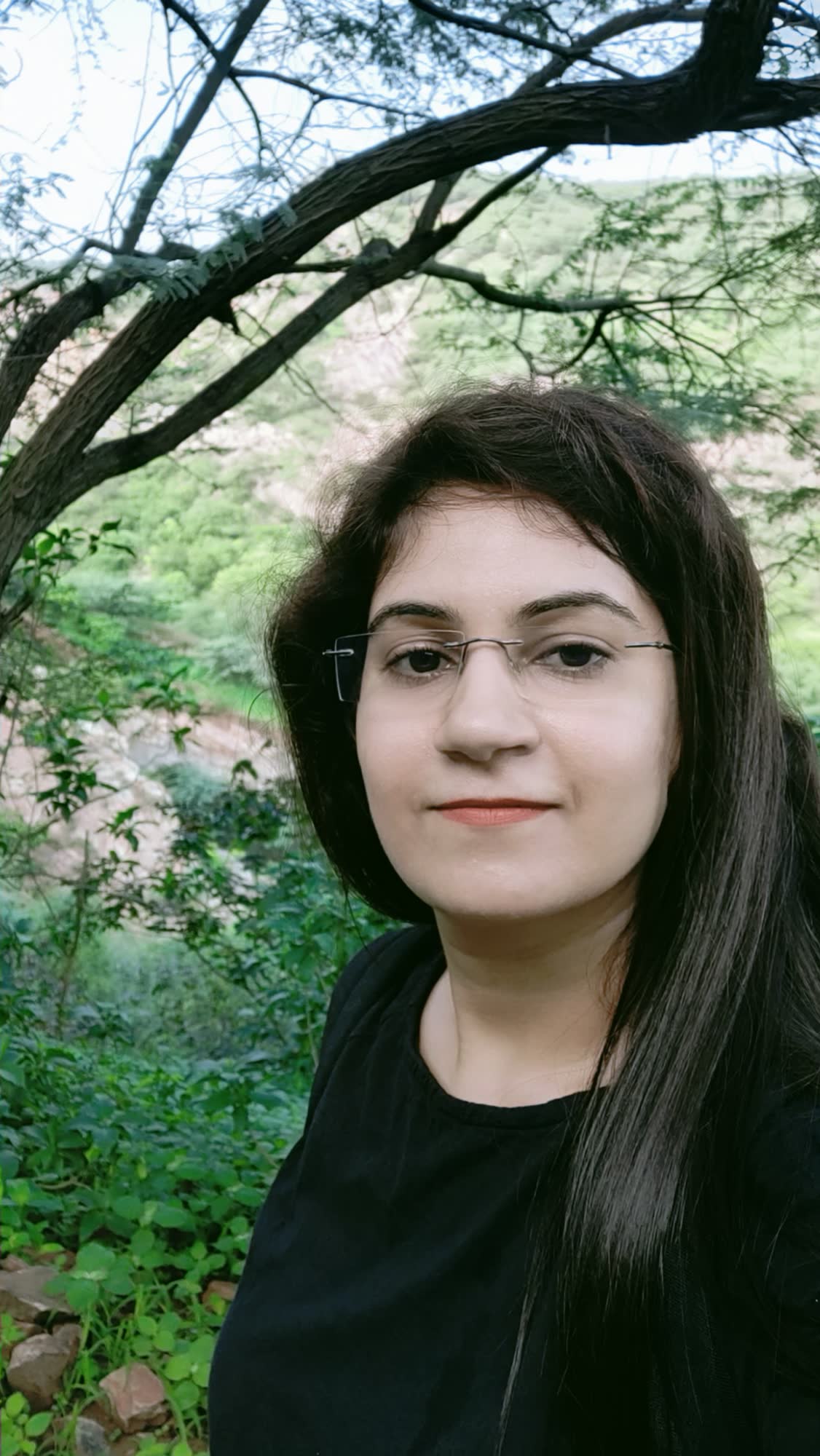
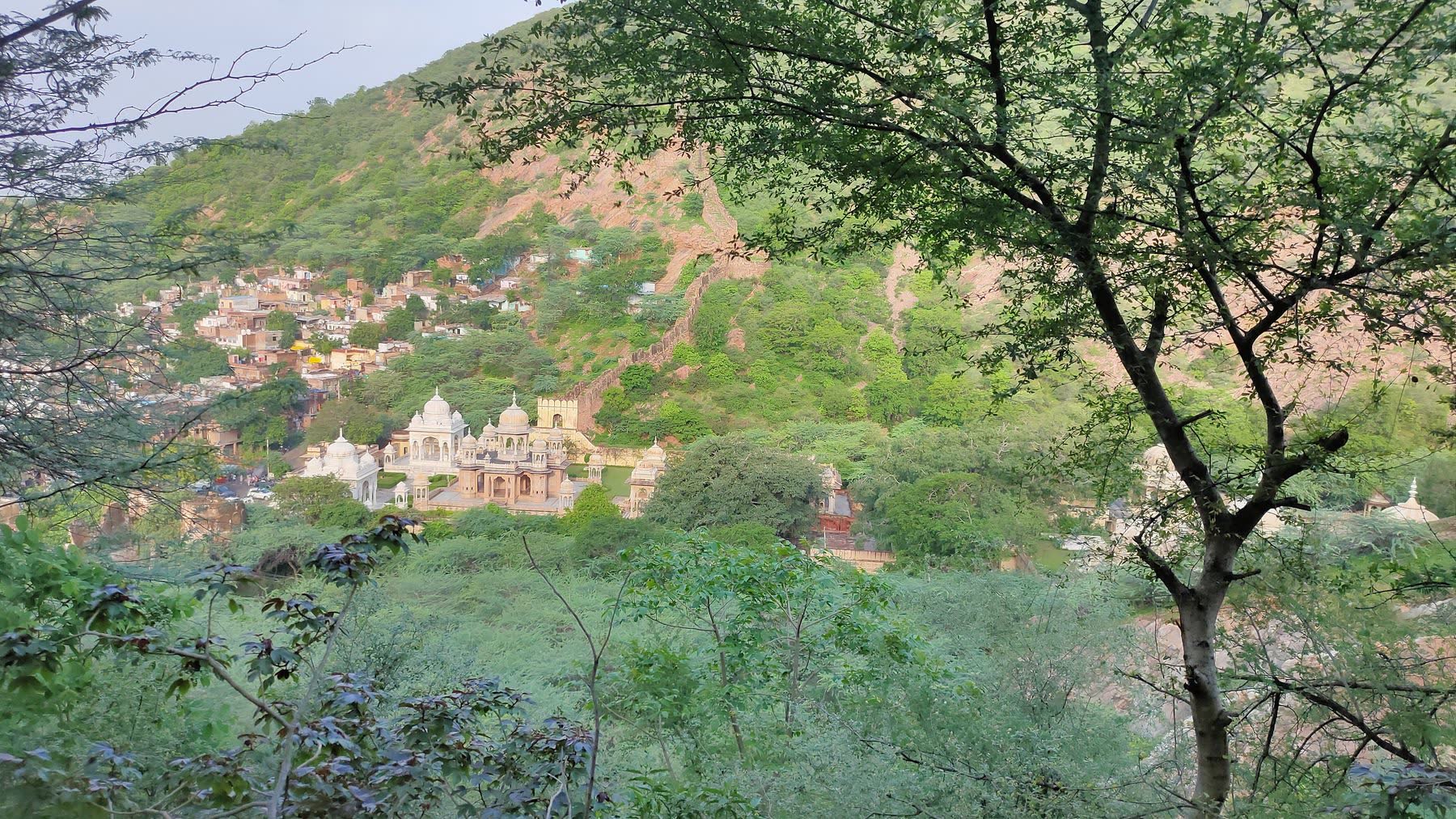
A dawn walk along the shores of Man Sagar Lake with the Water Palace shimmering in still water — Nahargarh hillside and the Aravalli range as a backdrop.
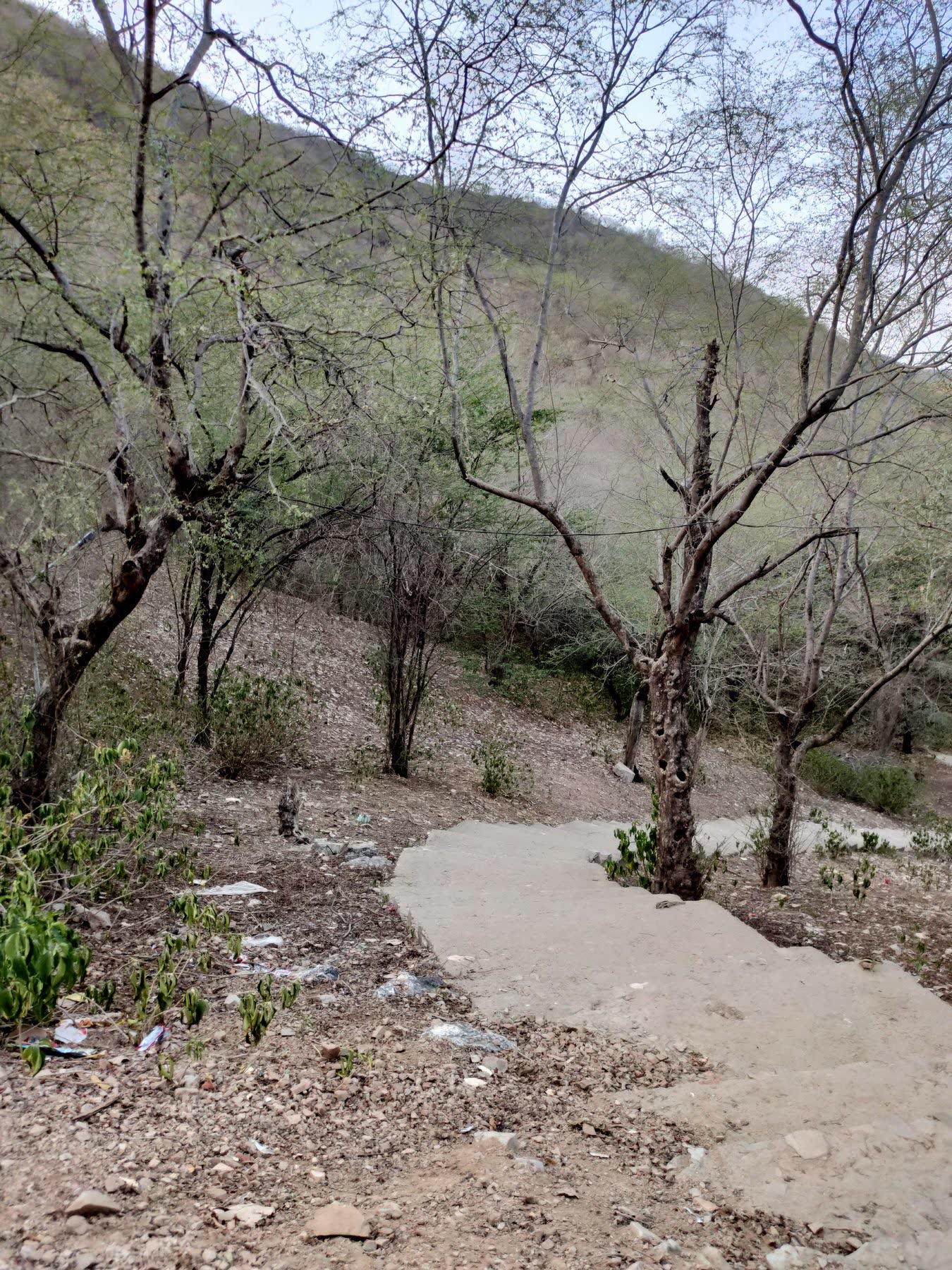
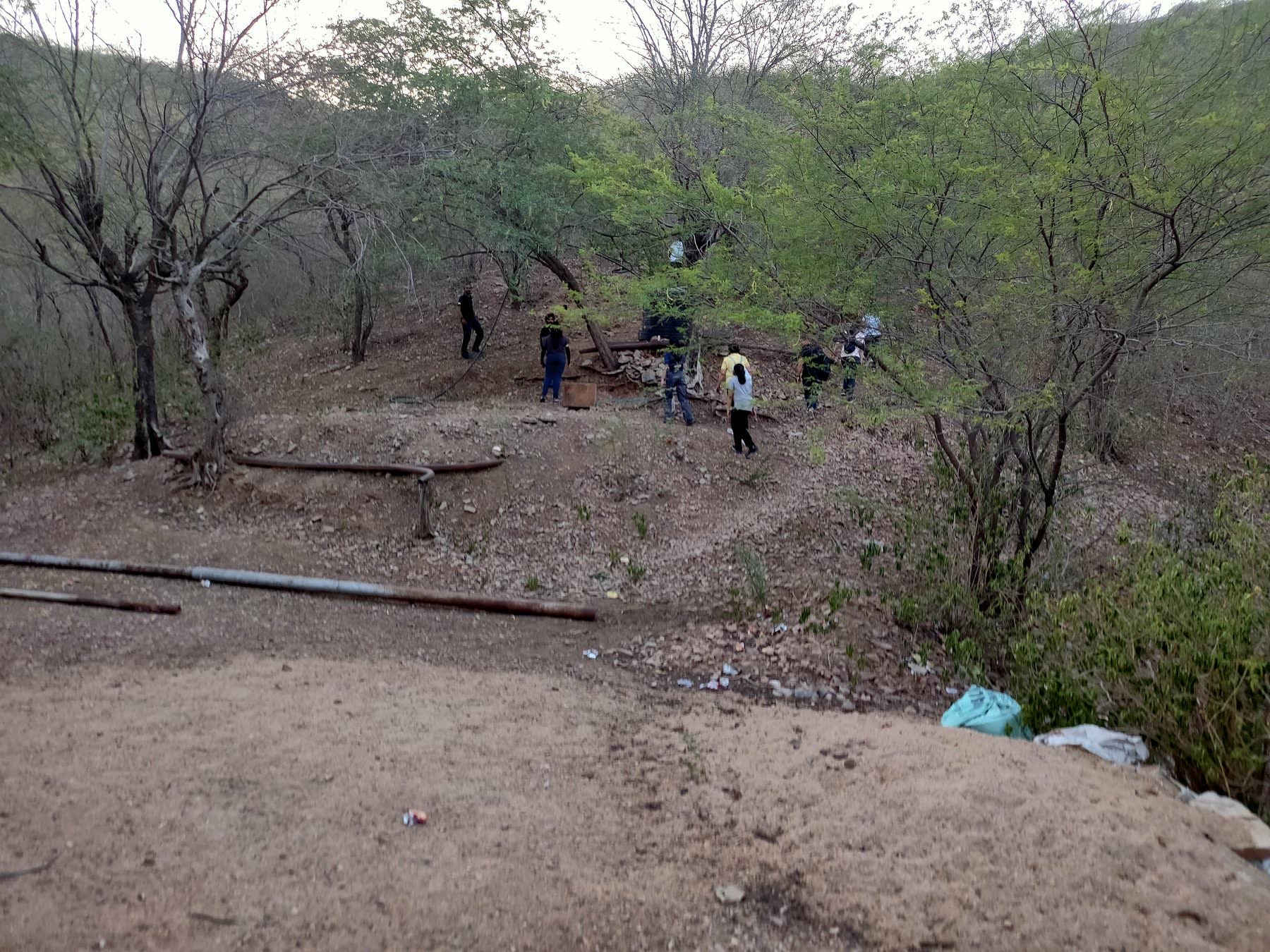
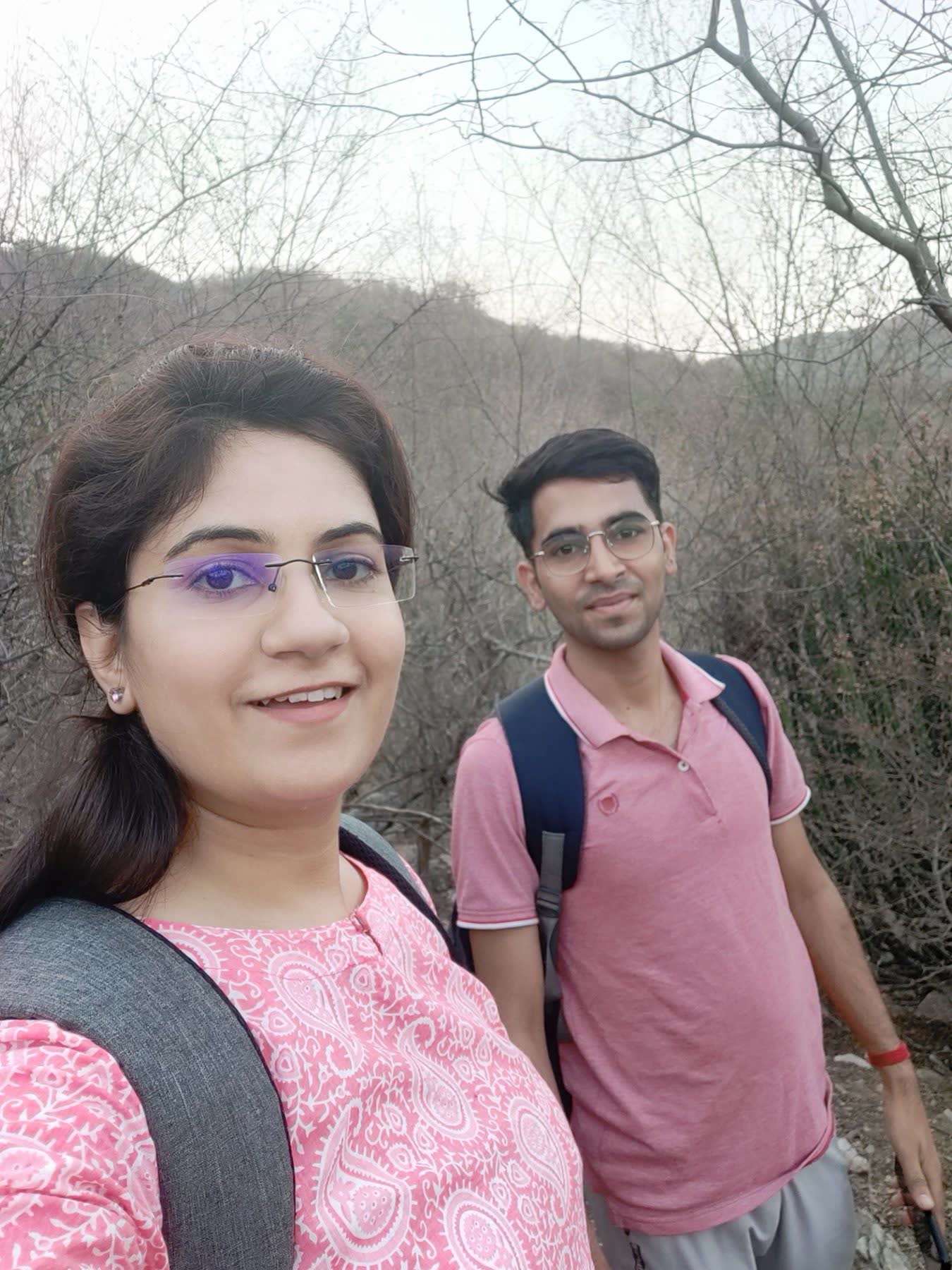
An offbeat trail through the hills surrounding Samod — ancient walls, quiet paths, and a winter afternoon well away from the city.
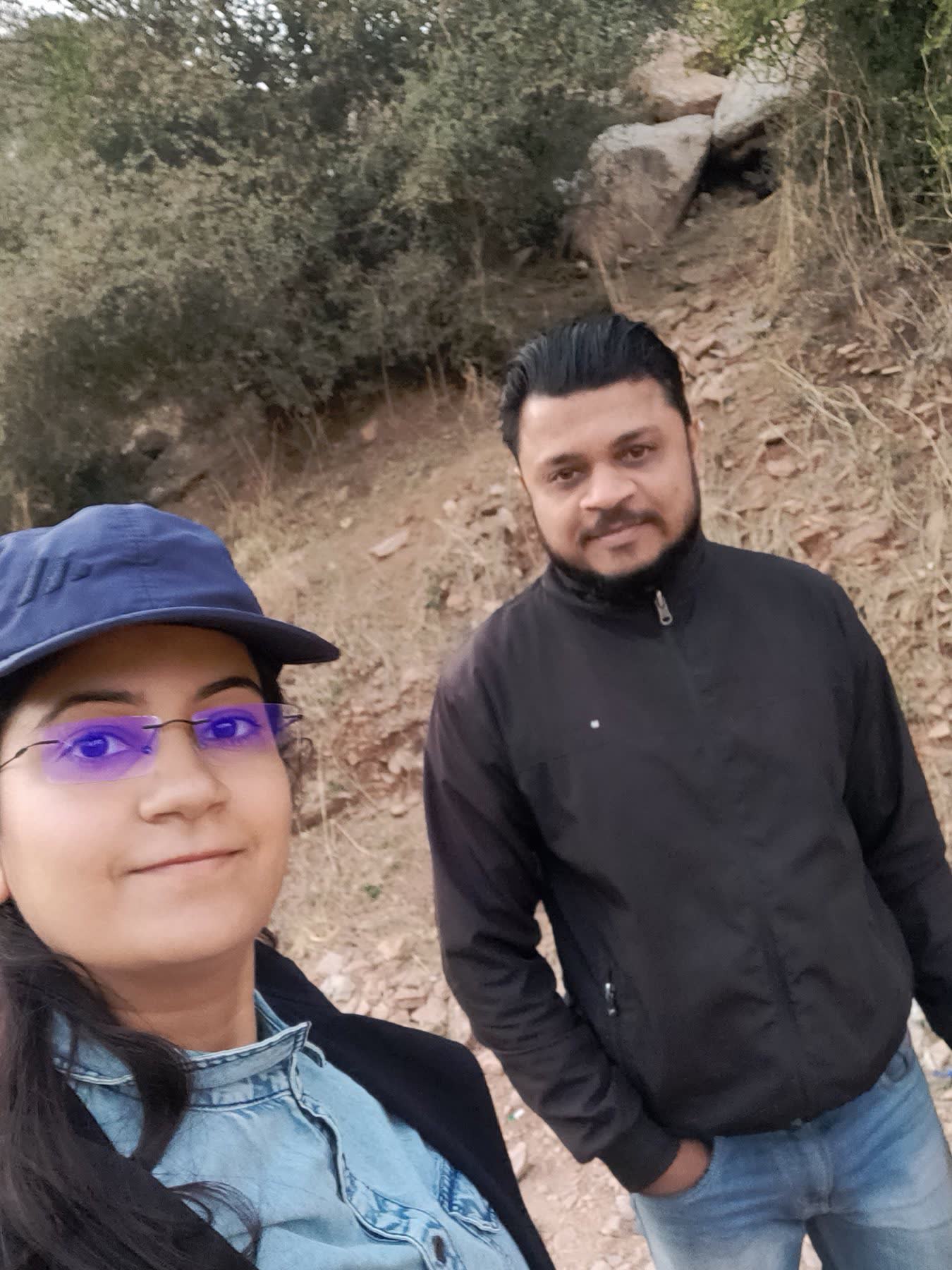
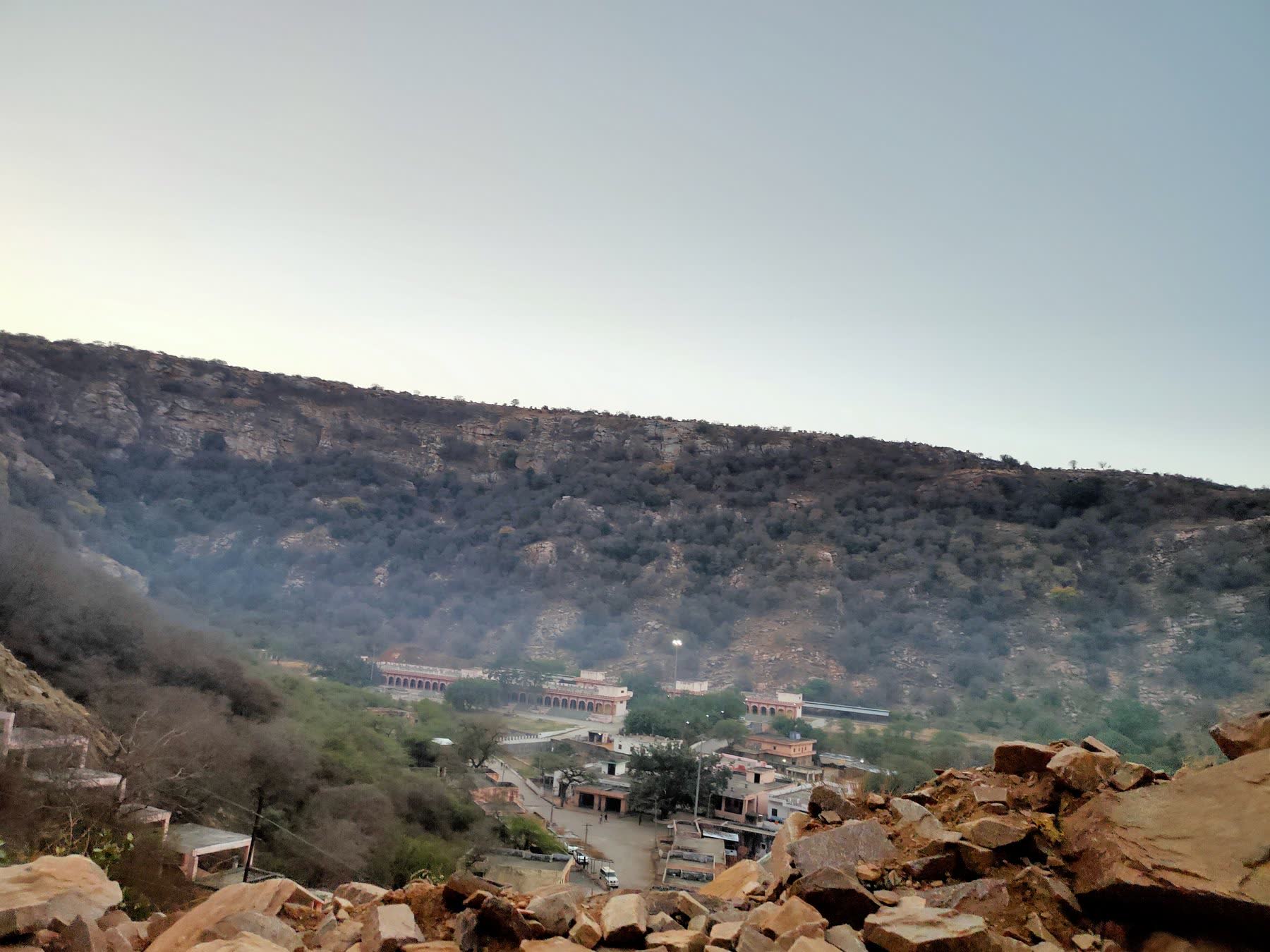
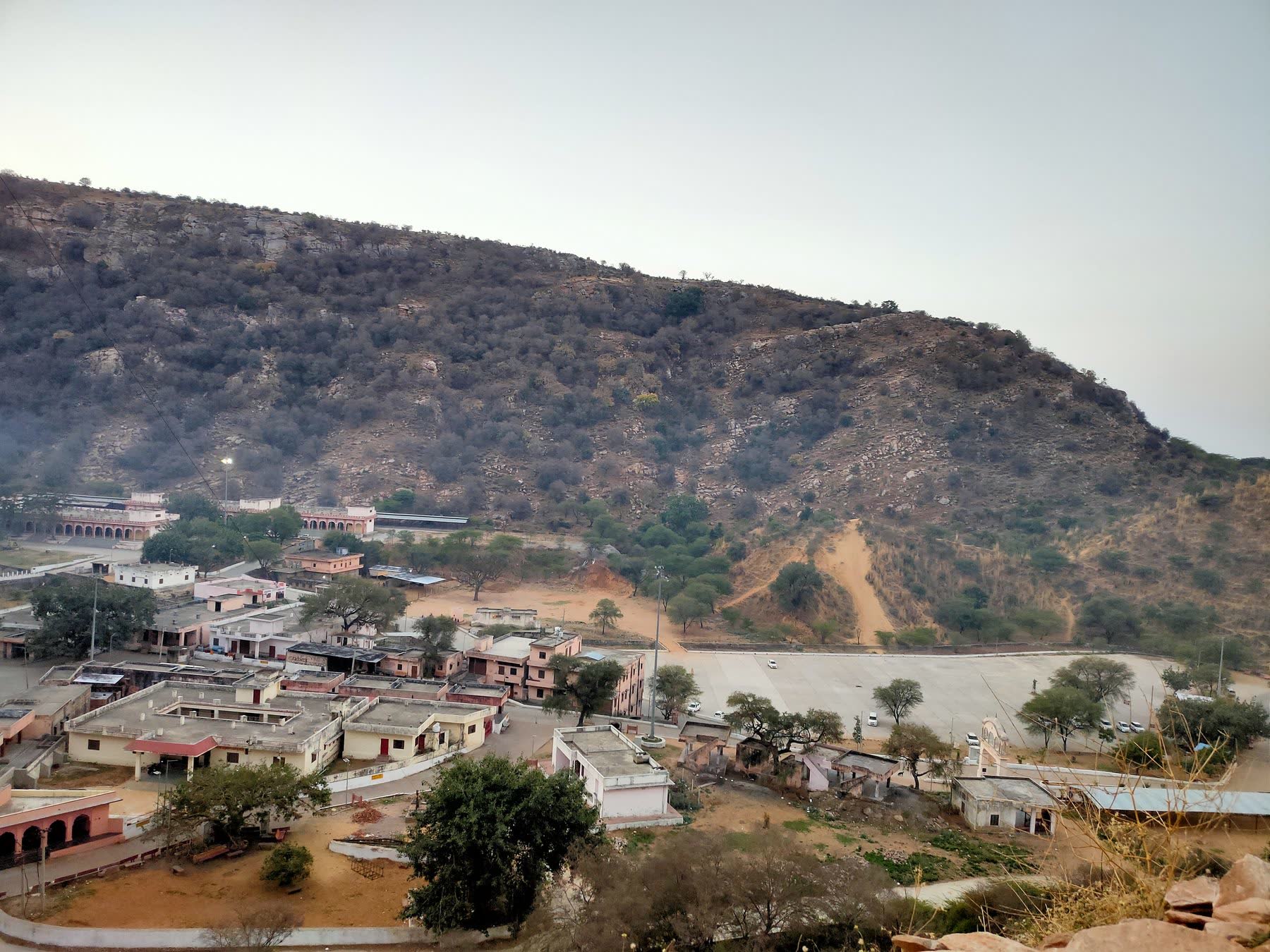
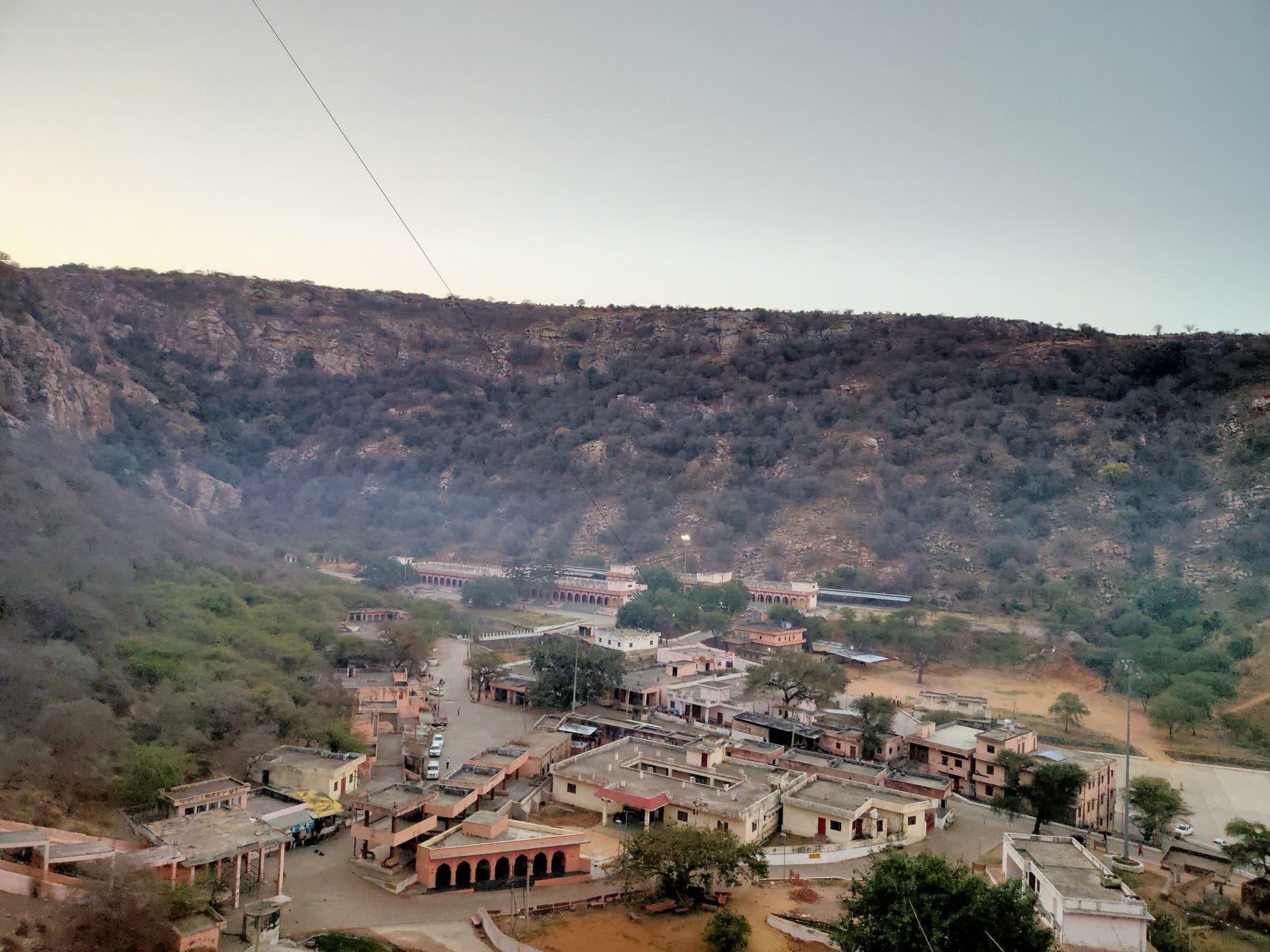
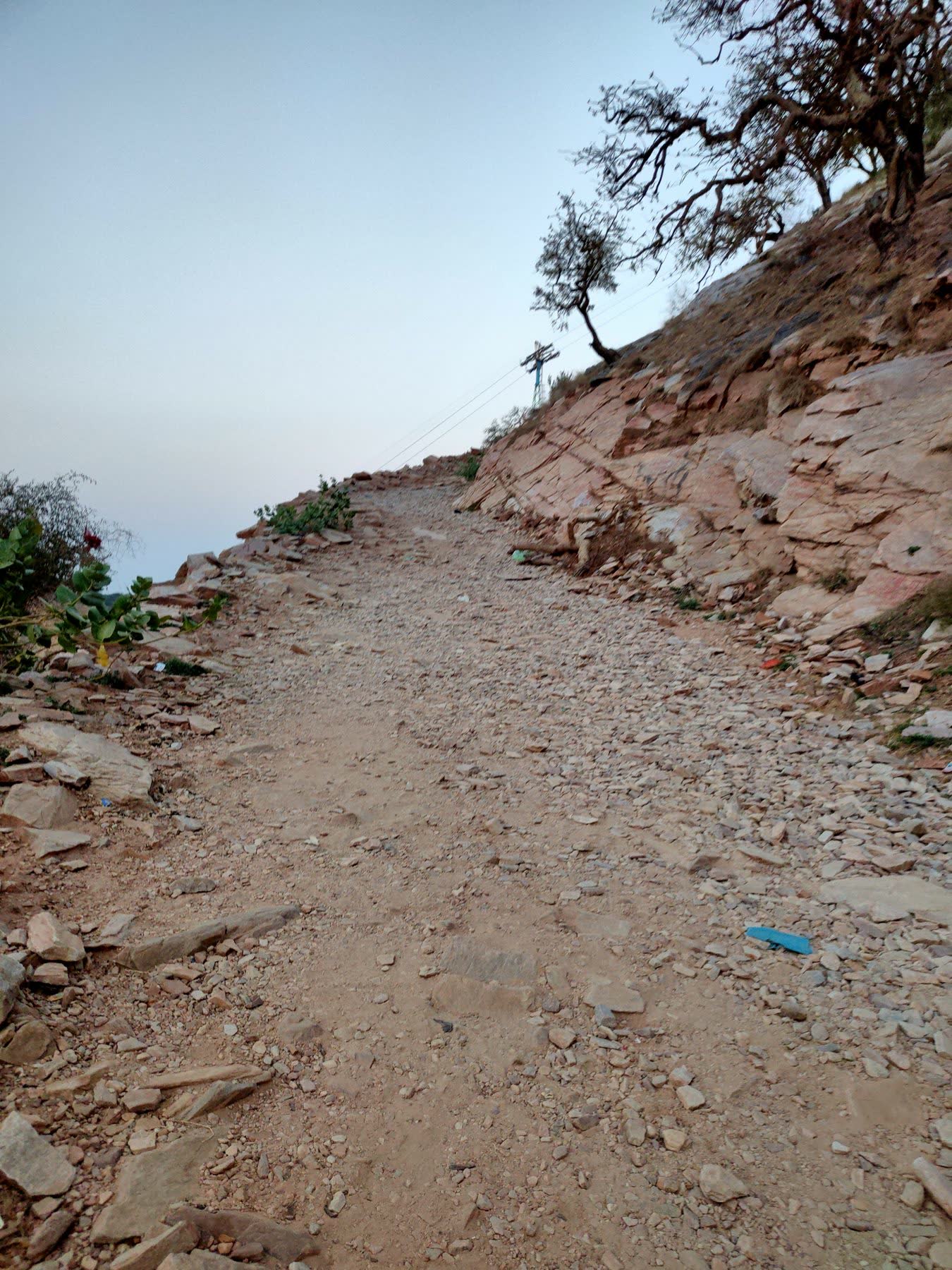
A brisk winter-morning hike along Chulgiri's rocky ridgeline — known for its Jain temple at the summit and uninterrupted views across southern Jaipur.
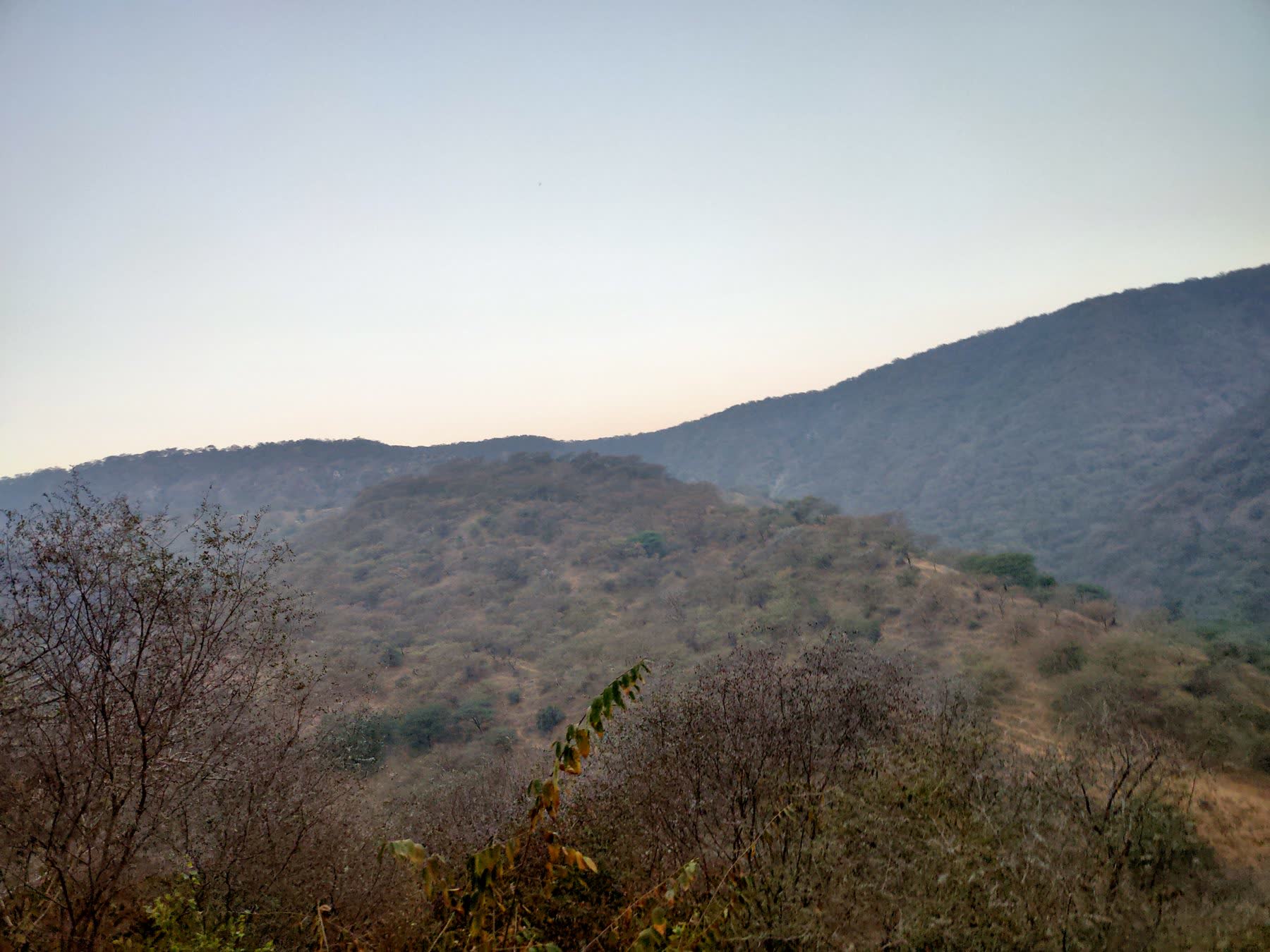
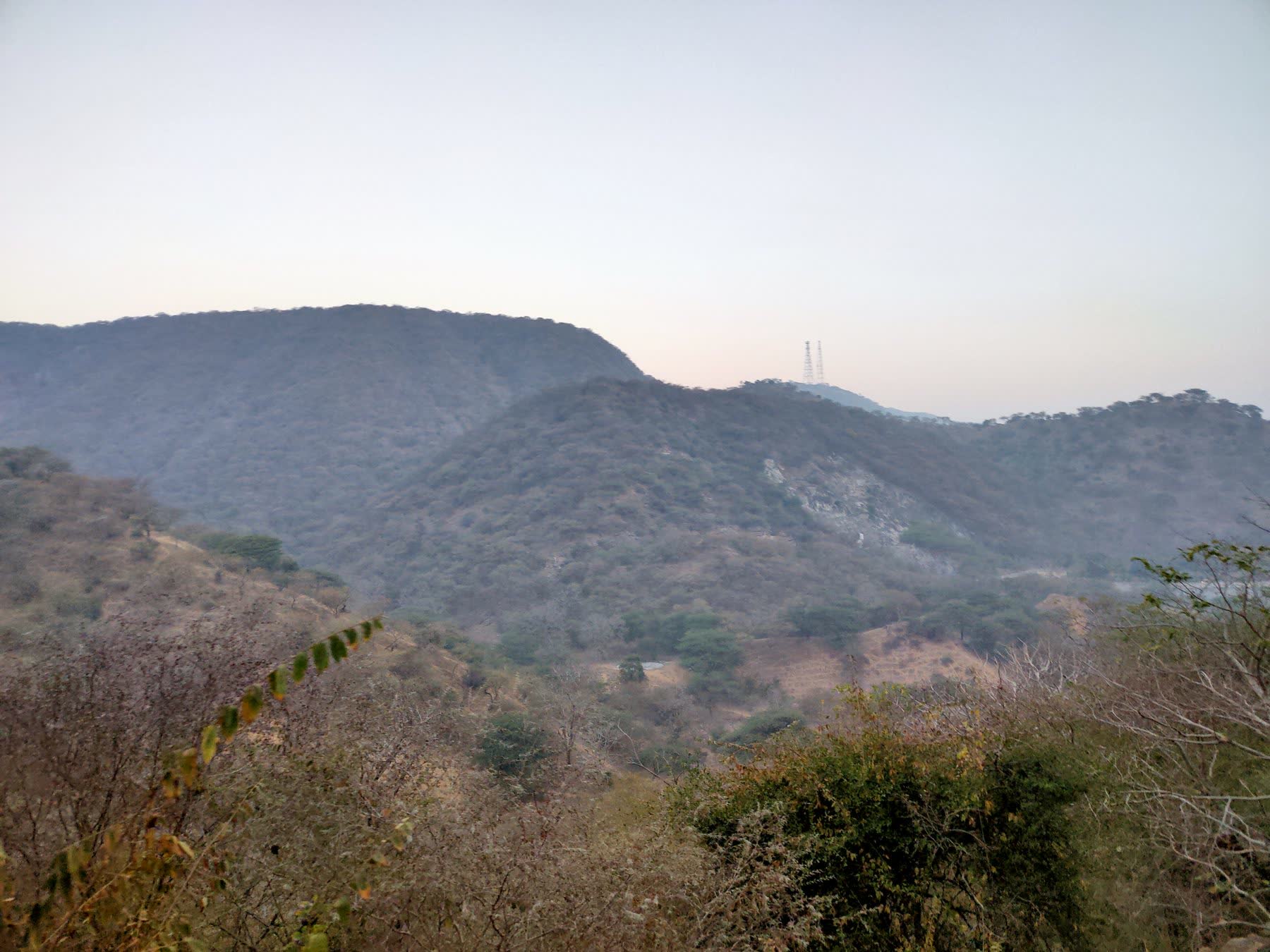
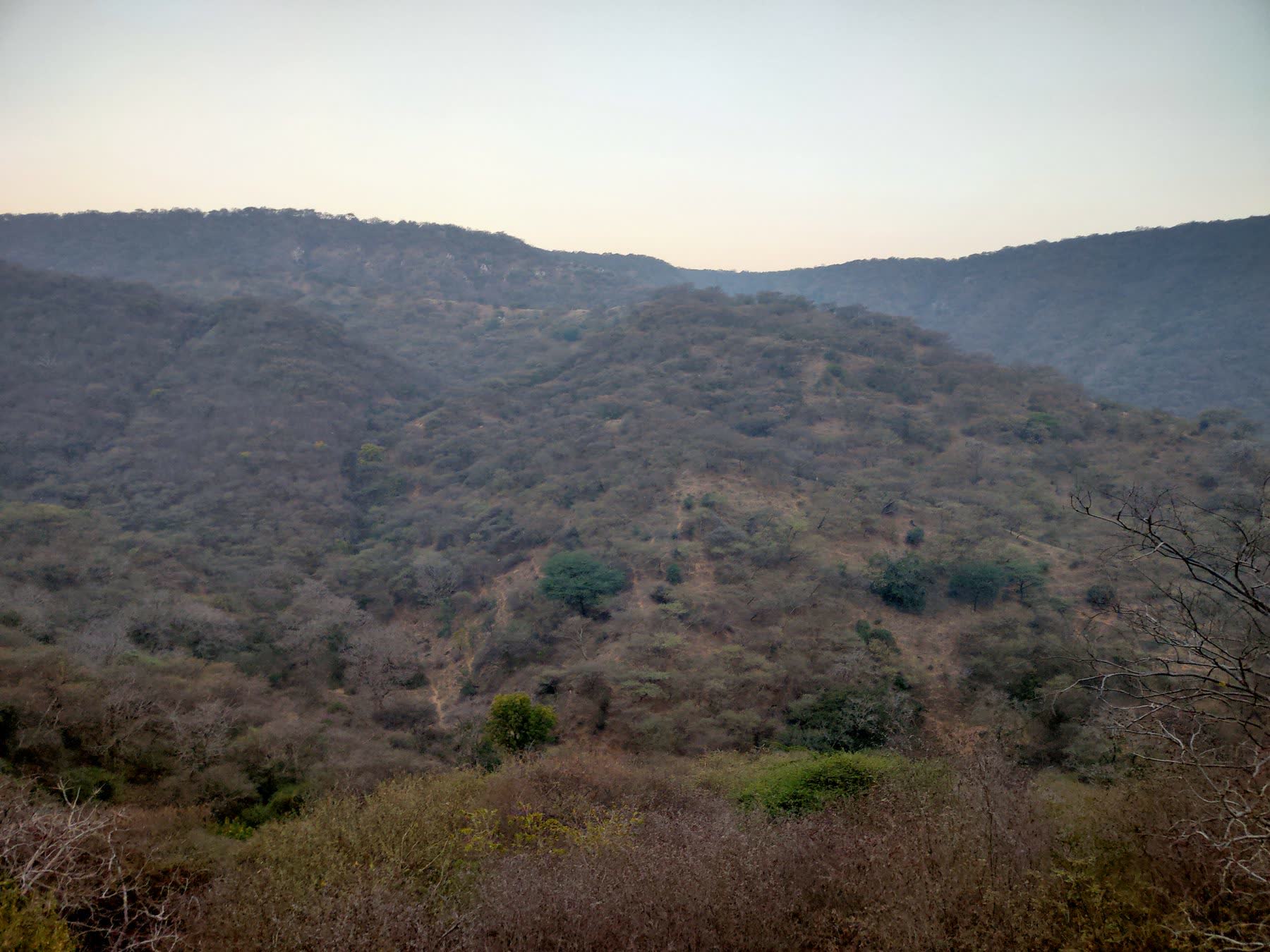
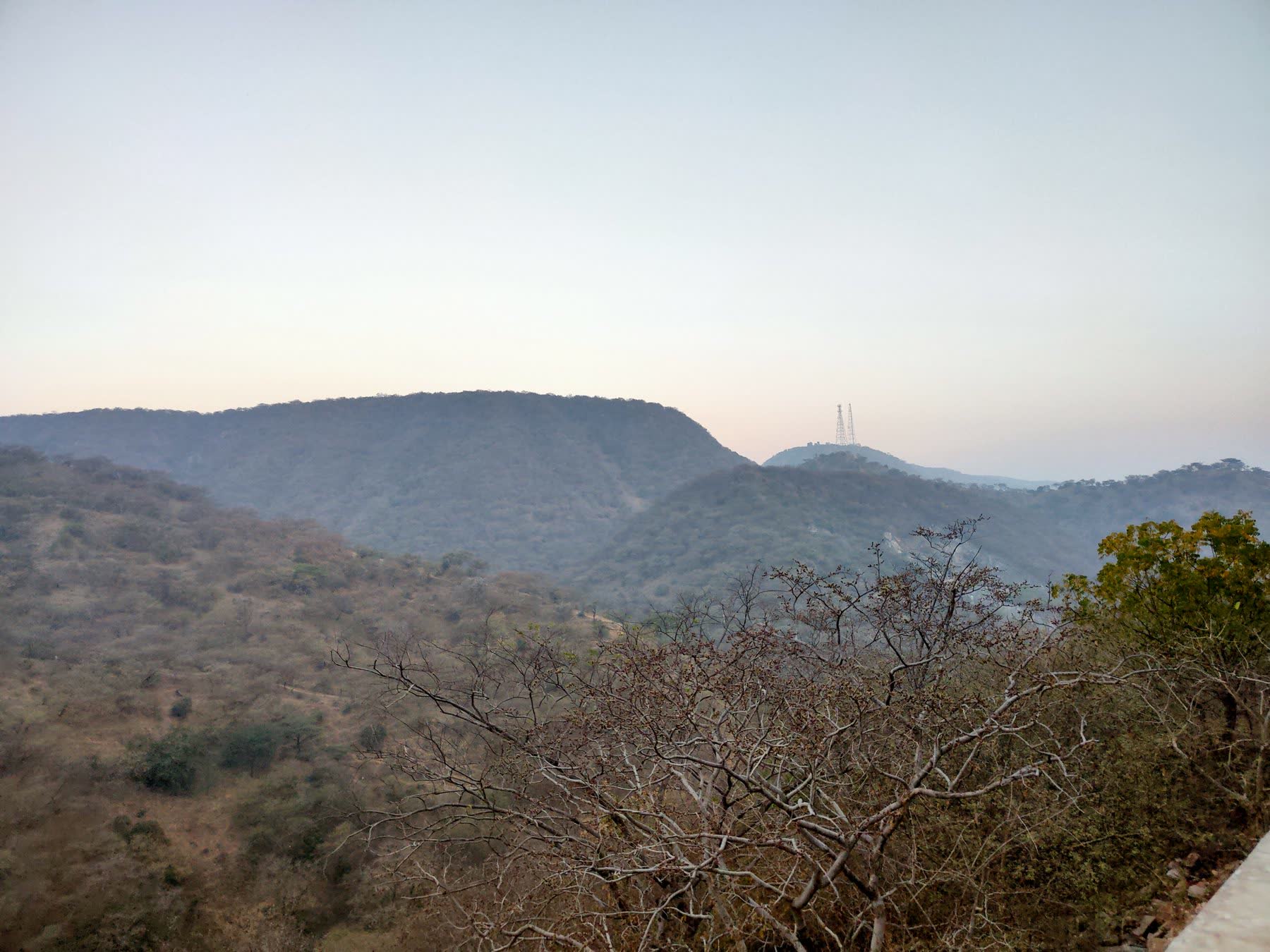
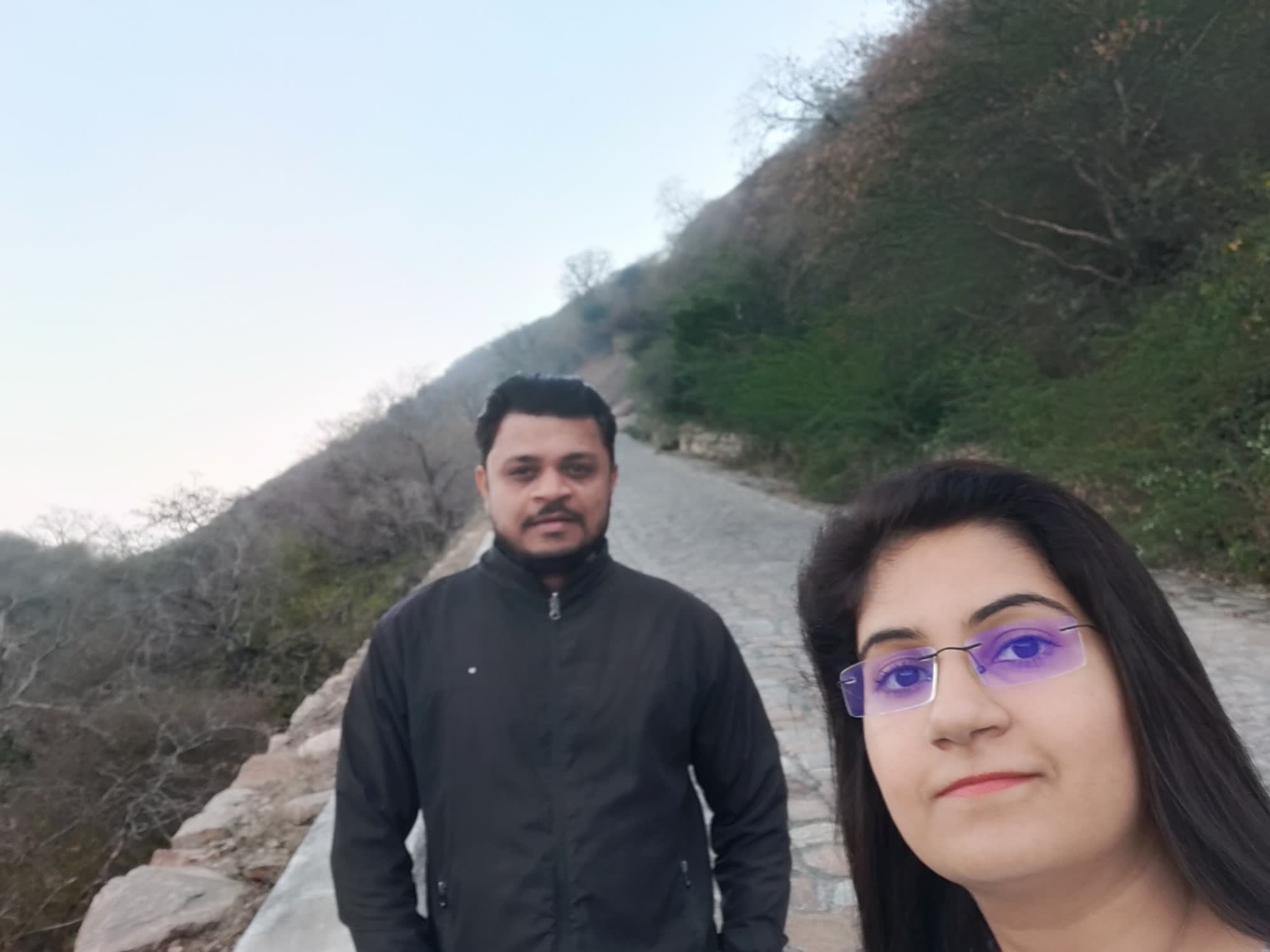
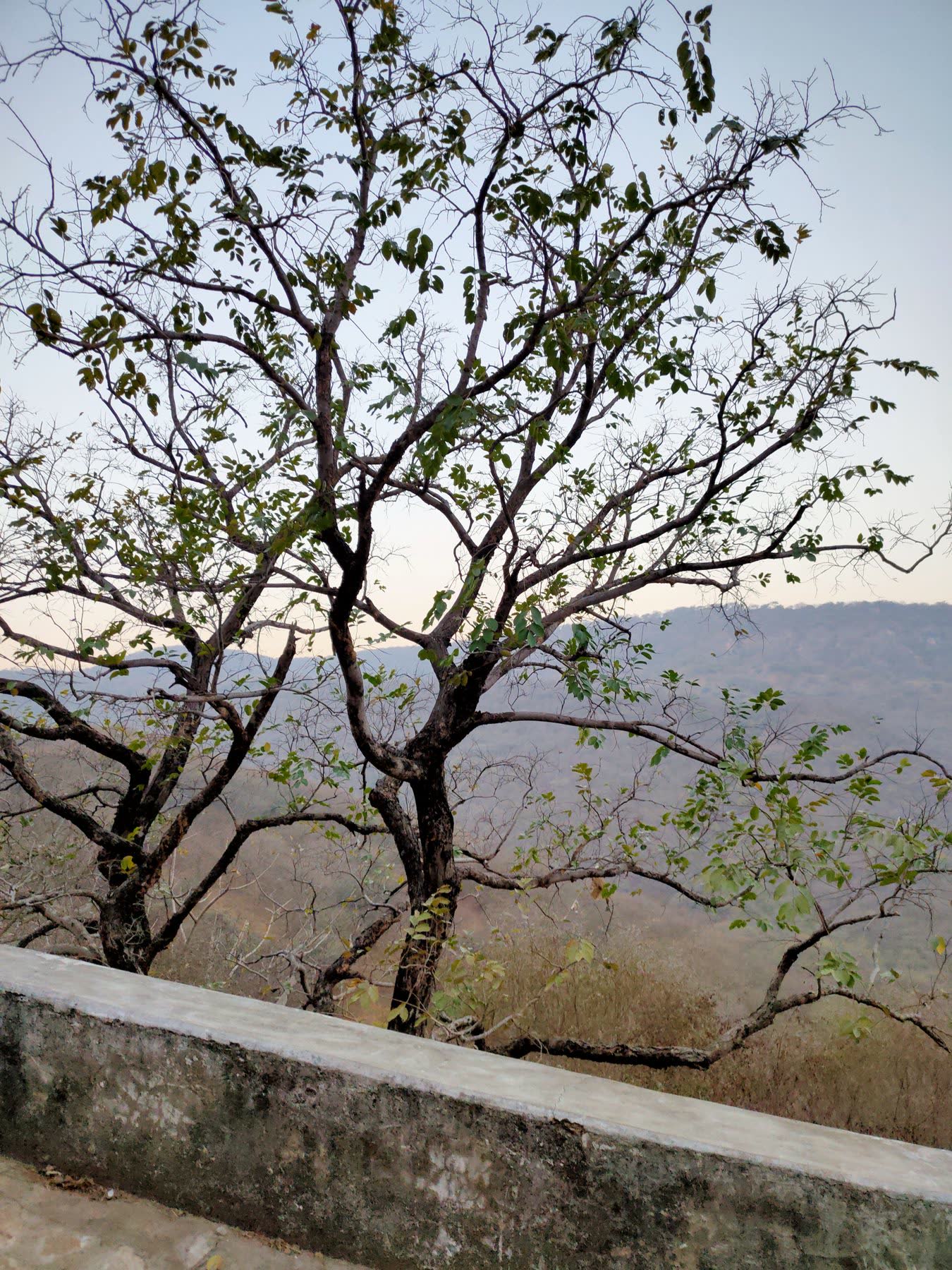
A return to Gad Ganesh in the cool of autumn — crisp air, golden-hour light on the hillside, and the quiet satisfaction of reaching the top before the city wakes.
A meaningful sunrise trek shared with my mother — up the Aravalli hillside to an ancient temple, a quiet hour together before the day began.
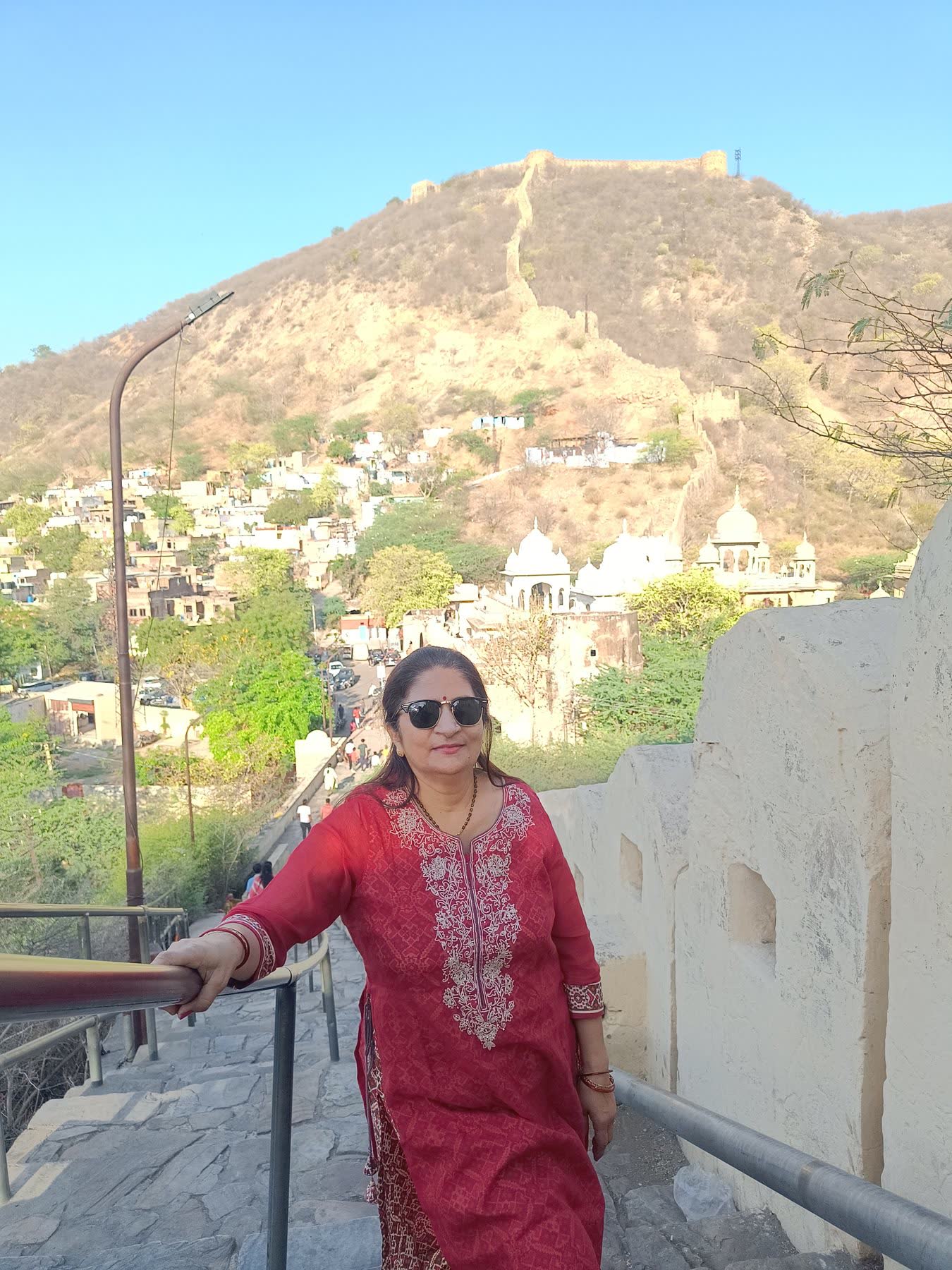
A monsoon-season walk through lush Aravalli greenery — mist on the ridgeline, birdsong replacing the city noise, and the trail entirely to ourselves.
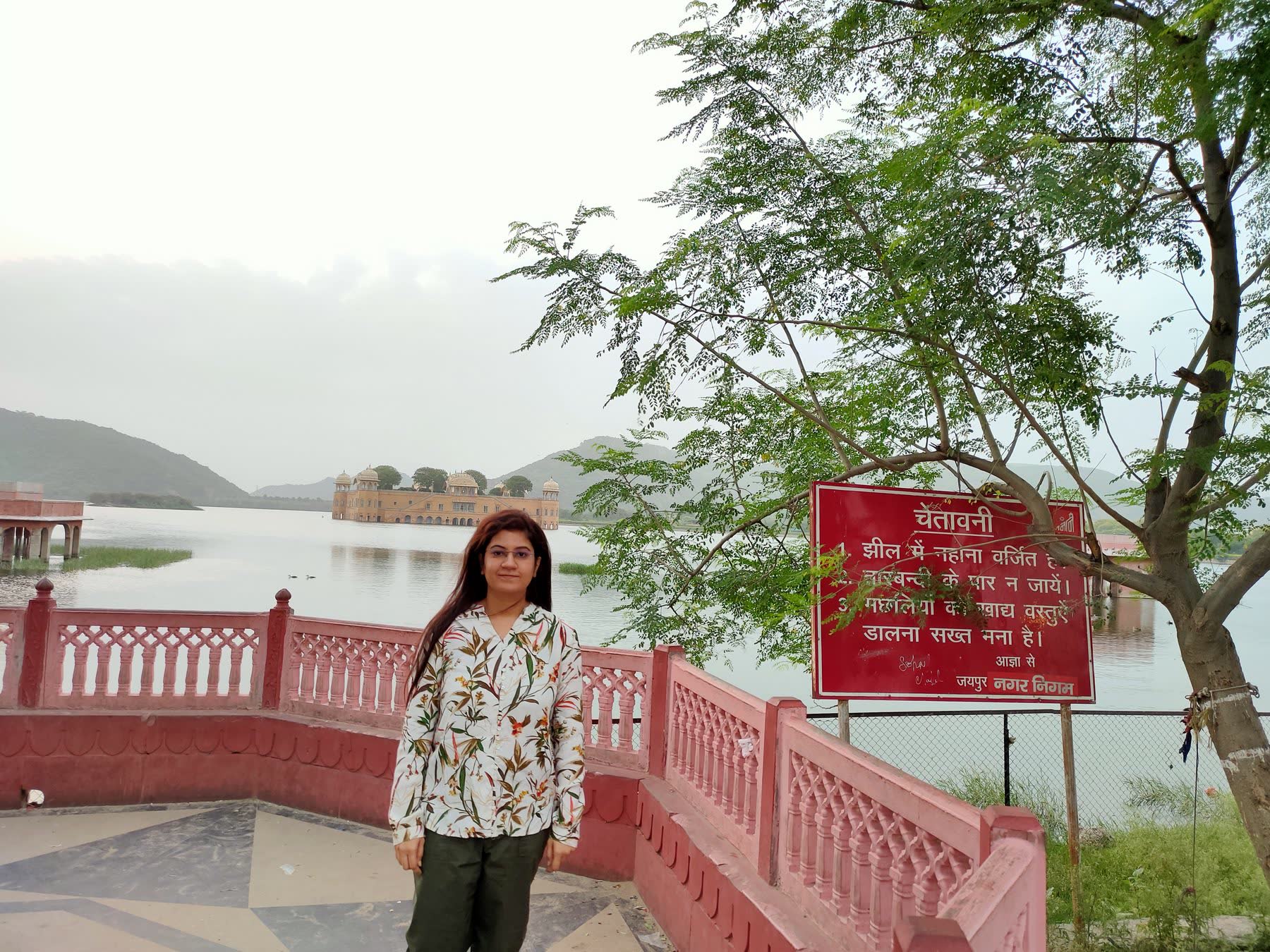
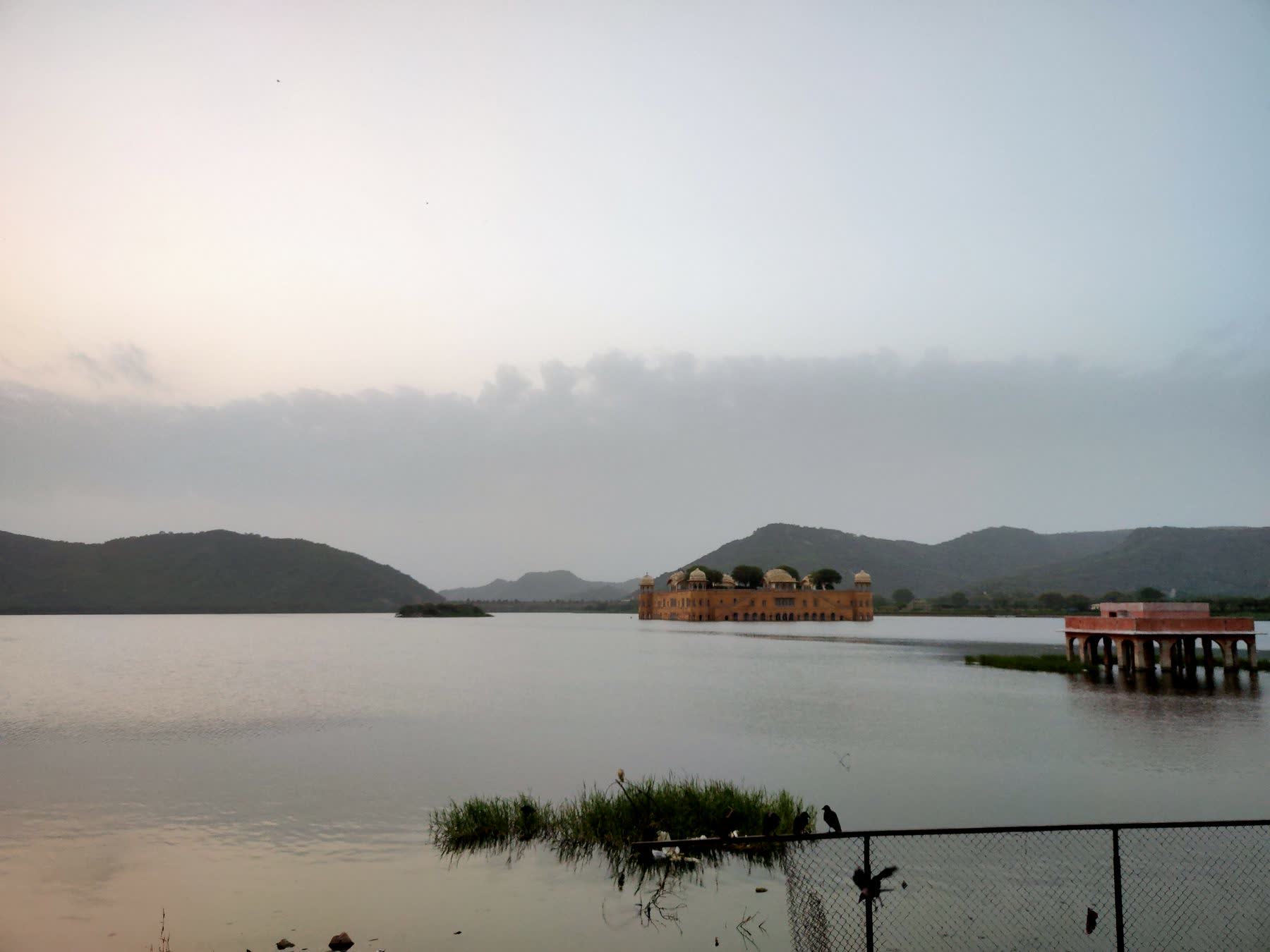
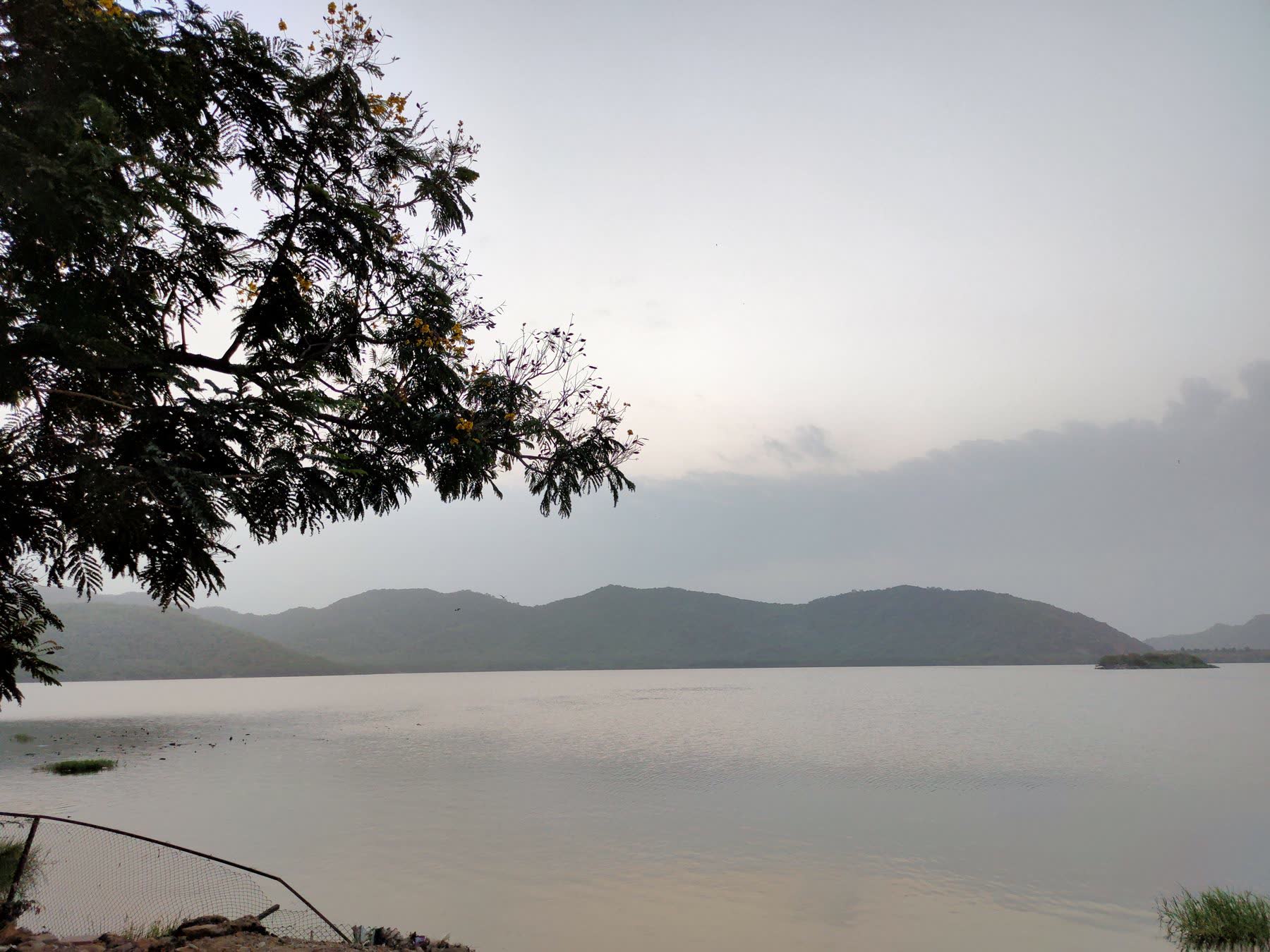
A morning walk by Man Sagar Lake — still water, the floating palace at first light, and the Aravalli hills reflected on the surface.
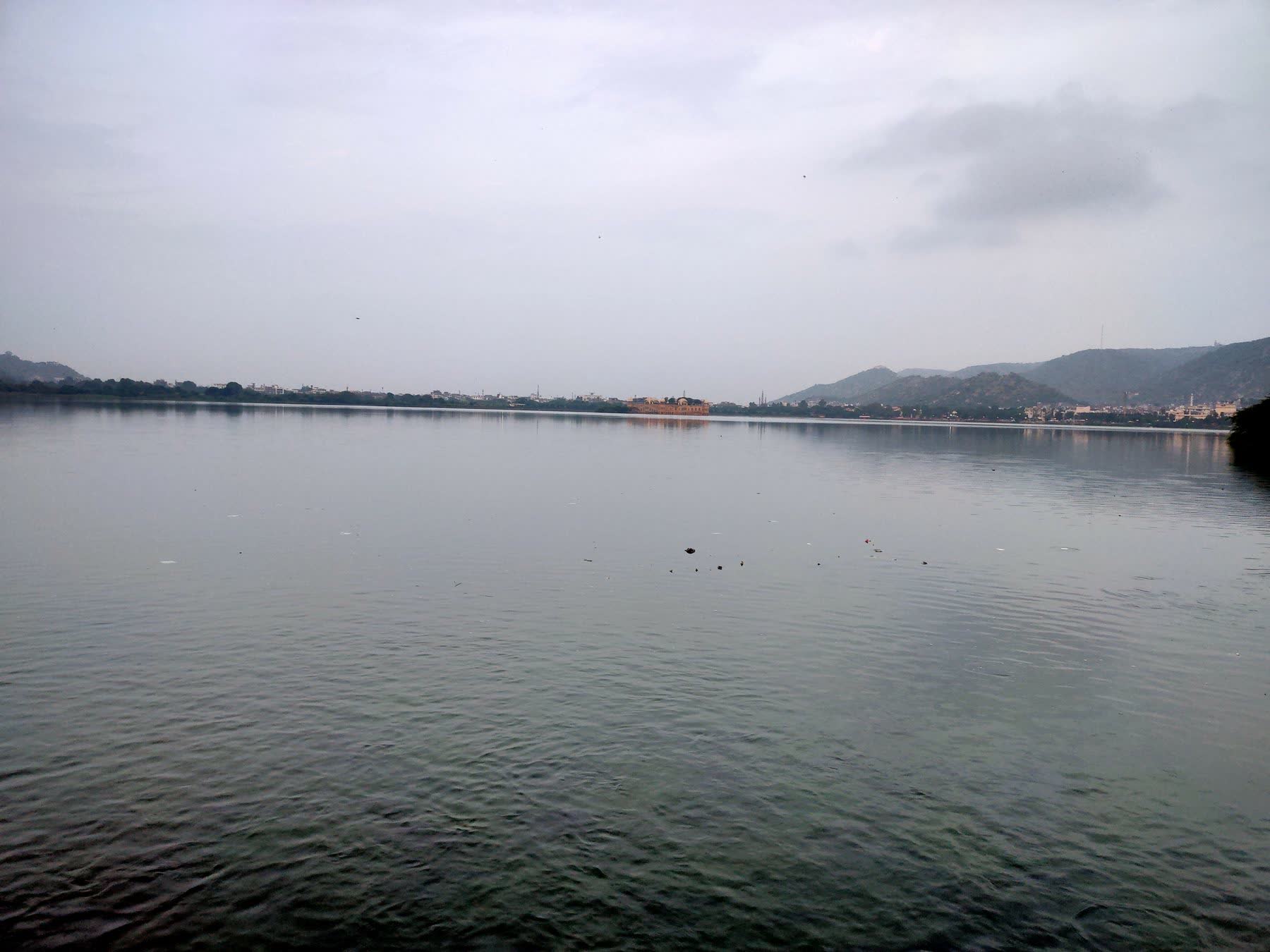
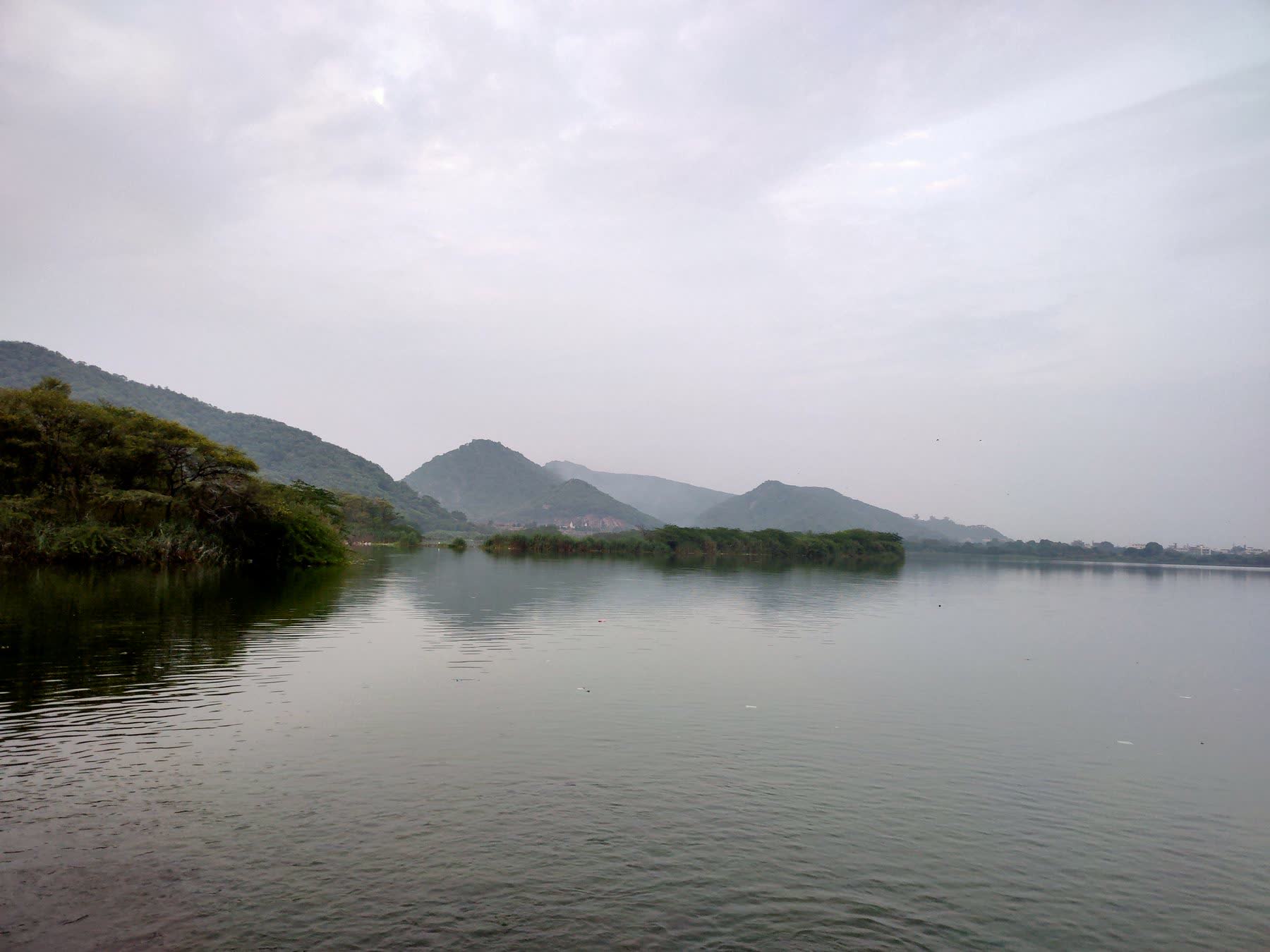
A pre-dawn hike up the Aravalli ridge above Amer Fort — rewarded with a golden sunrise over ancient Rajput battlements and the sweep of the valley below.
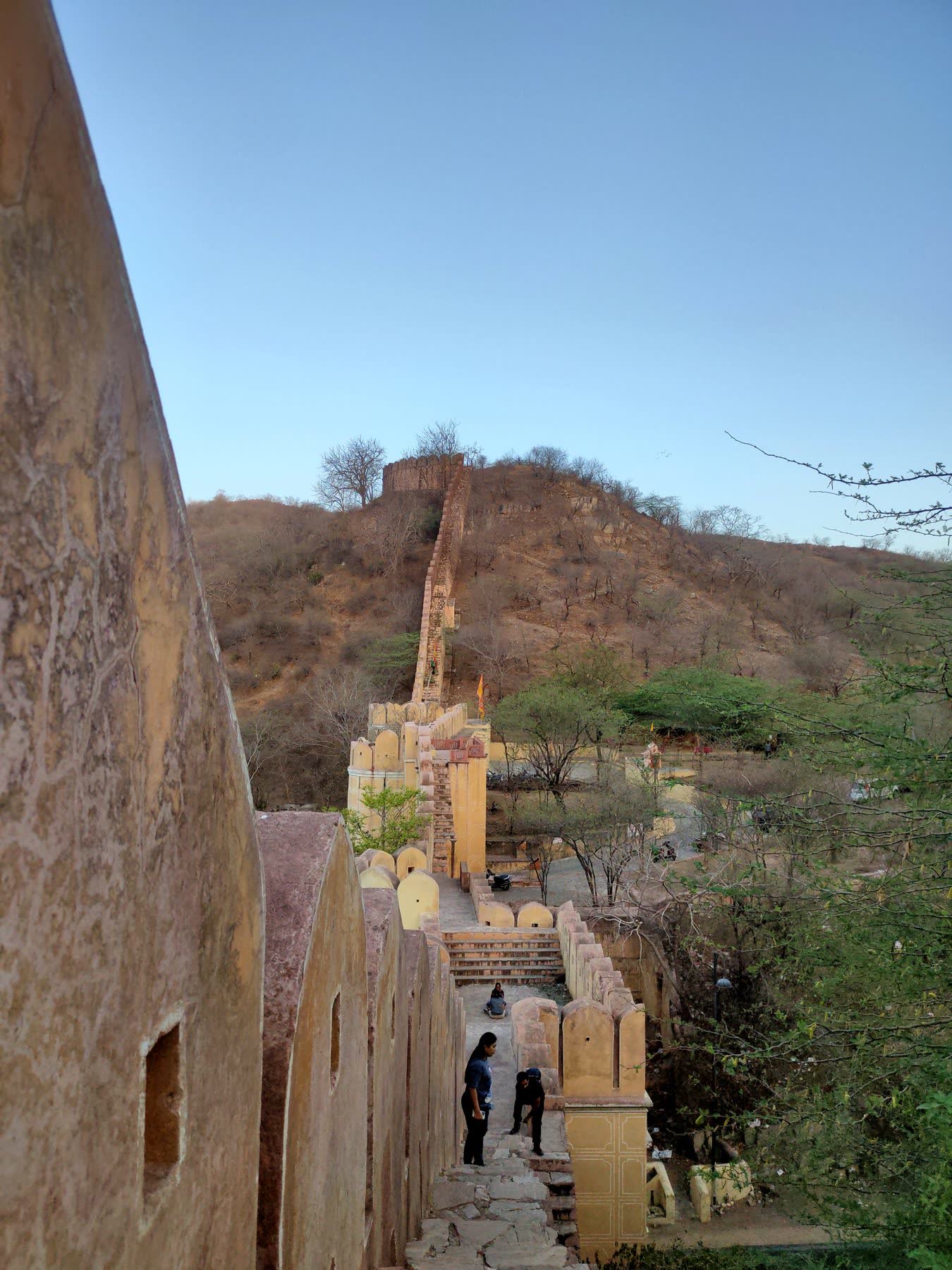
A quiet spring morning on the trails above Samod — wildflowers, clean air, and a peaceful hour shared before the day began.
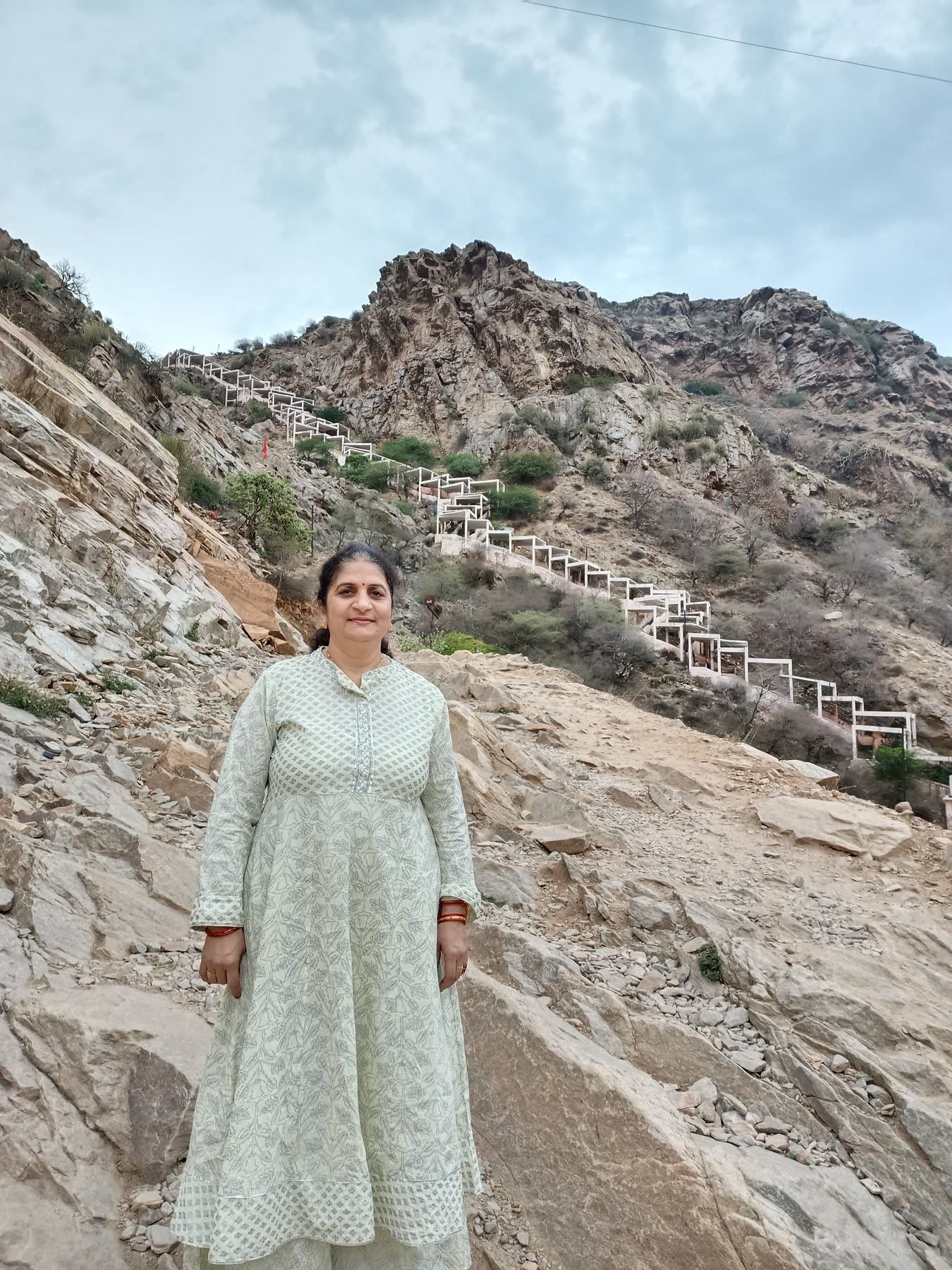
A temple trail that blends devotion, movement, and the quiet pleasure of walking through a landscape that slowly opens with every step.
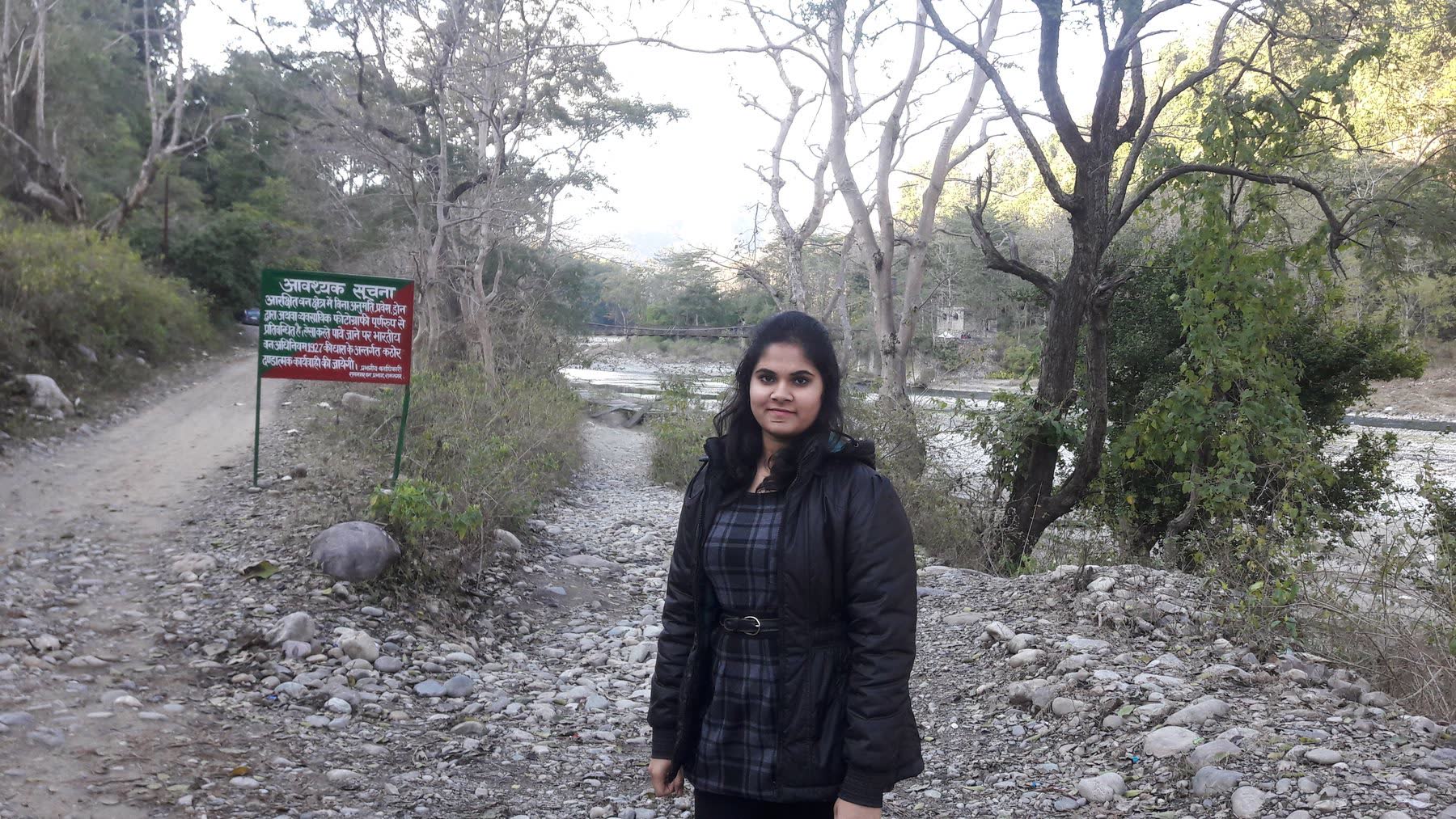
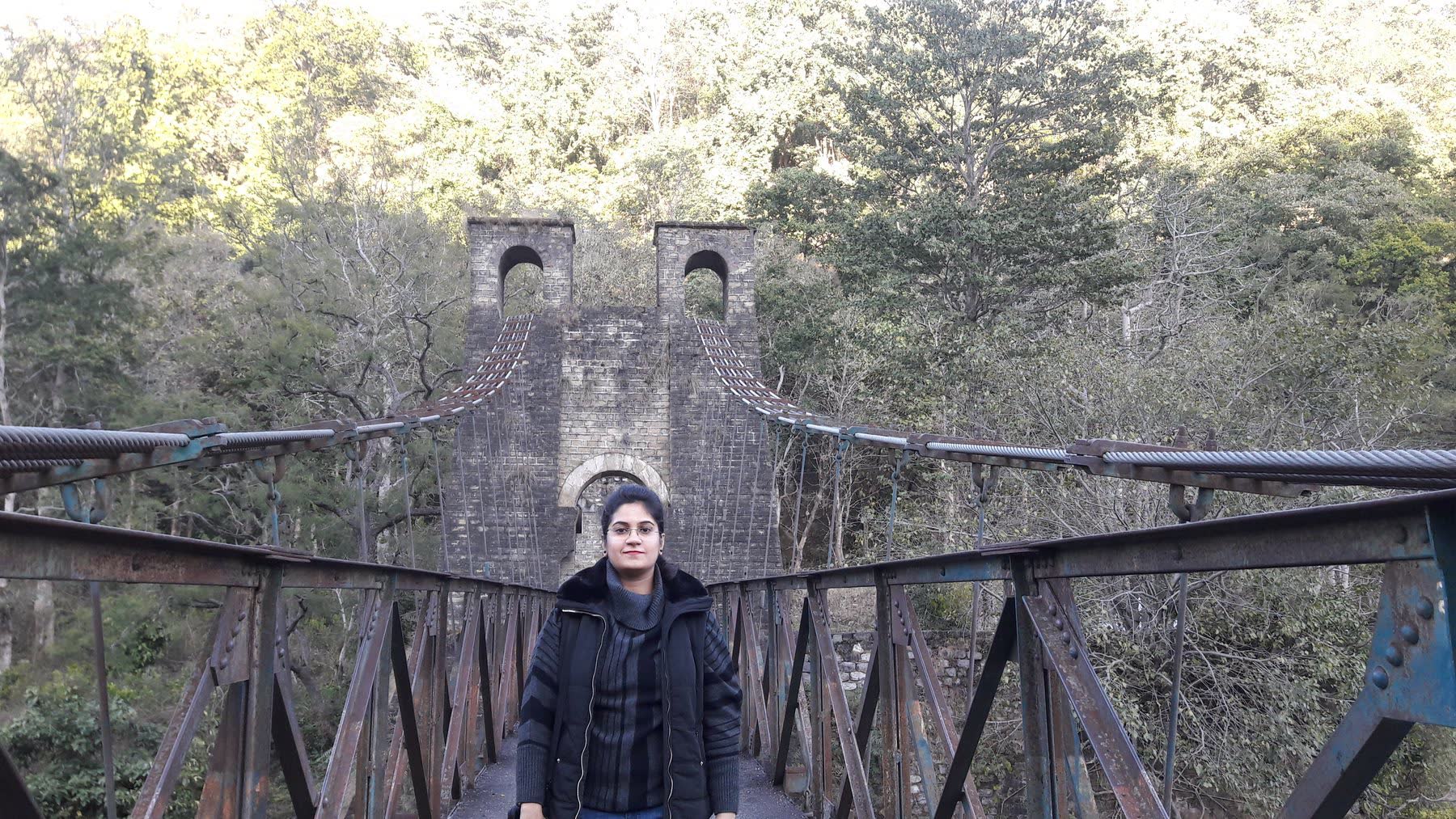
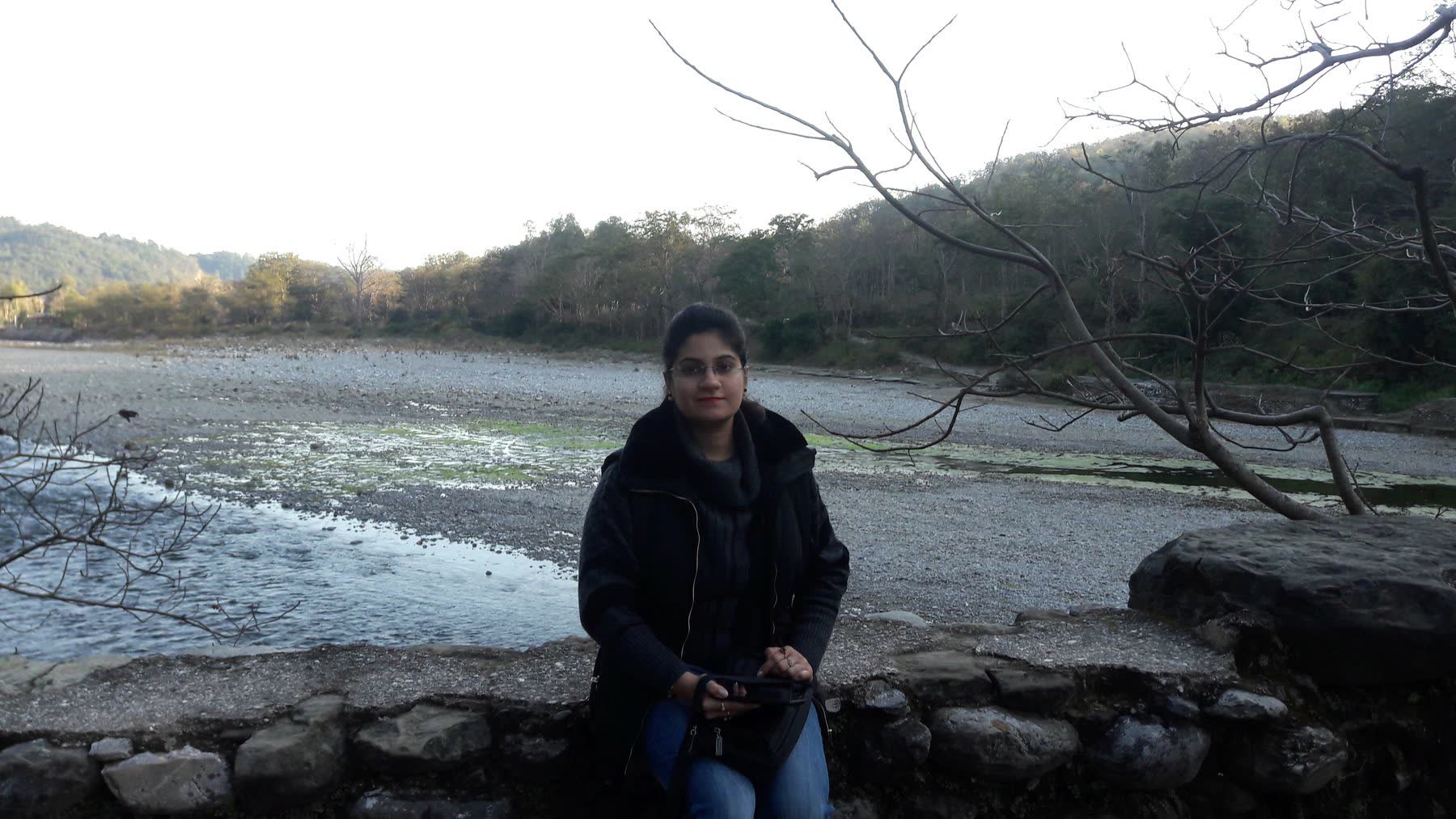
Some parts of life stay with us quietly. For me, painting and drawing have been that kind of companion. Long before I began expressing ideas through research papers, presentations, code, and algorithms, I was learning to express them through lines, colours, texture, and patient observation. A pencil, a brush, a sheet of paper, or even a simple handmade surface could become a place where thoughts settled and imagination found shape.
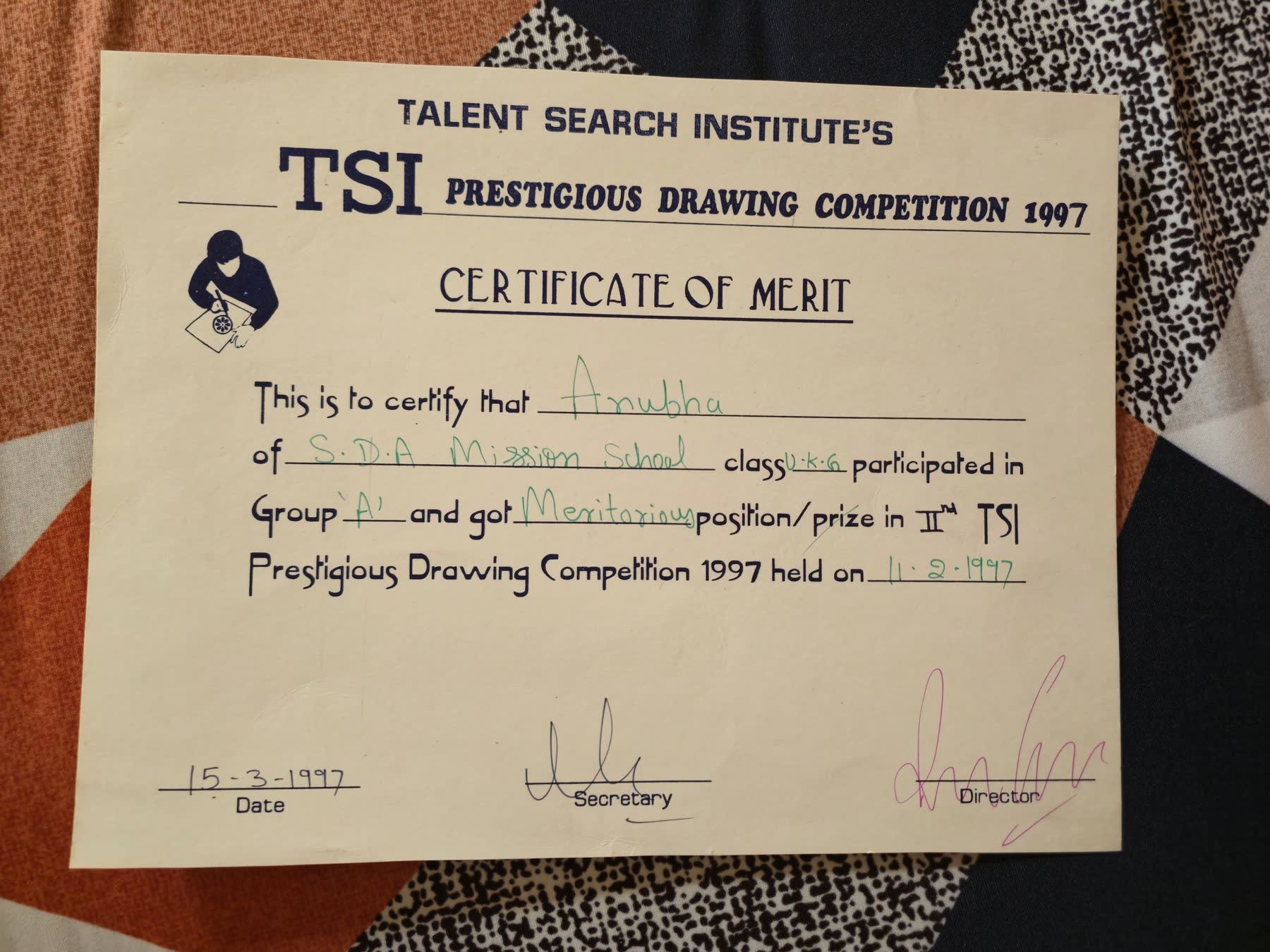
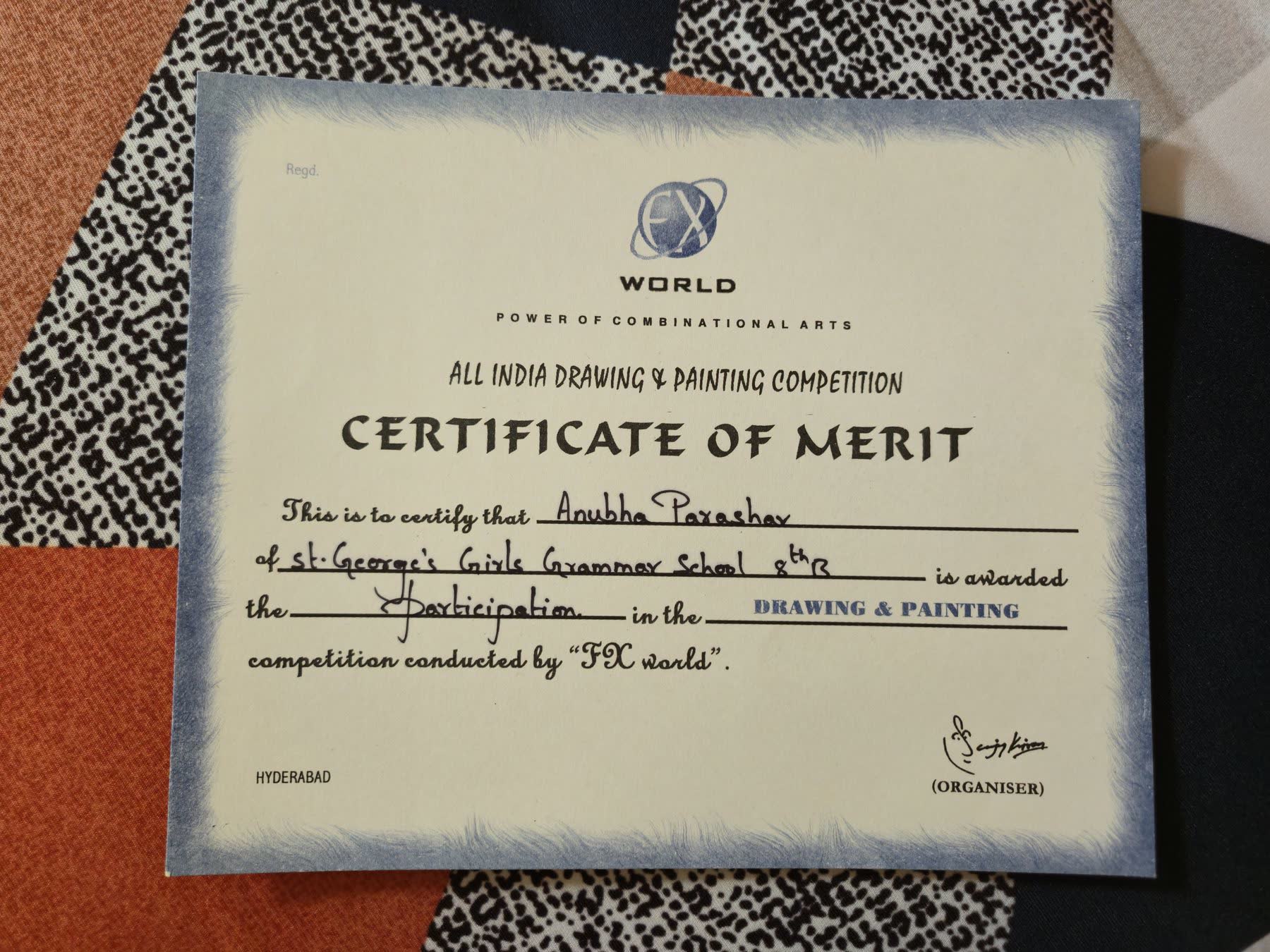
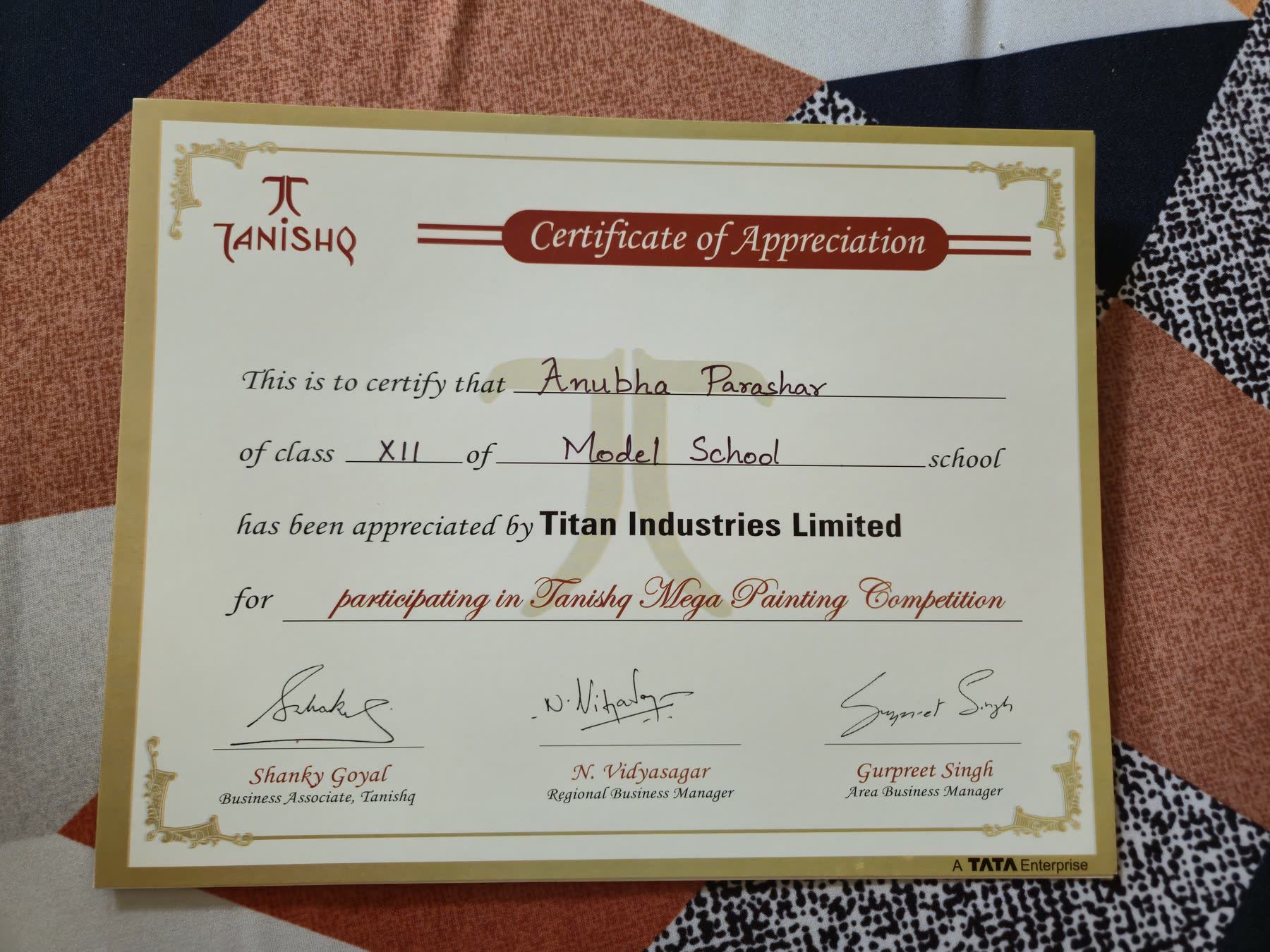
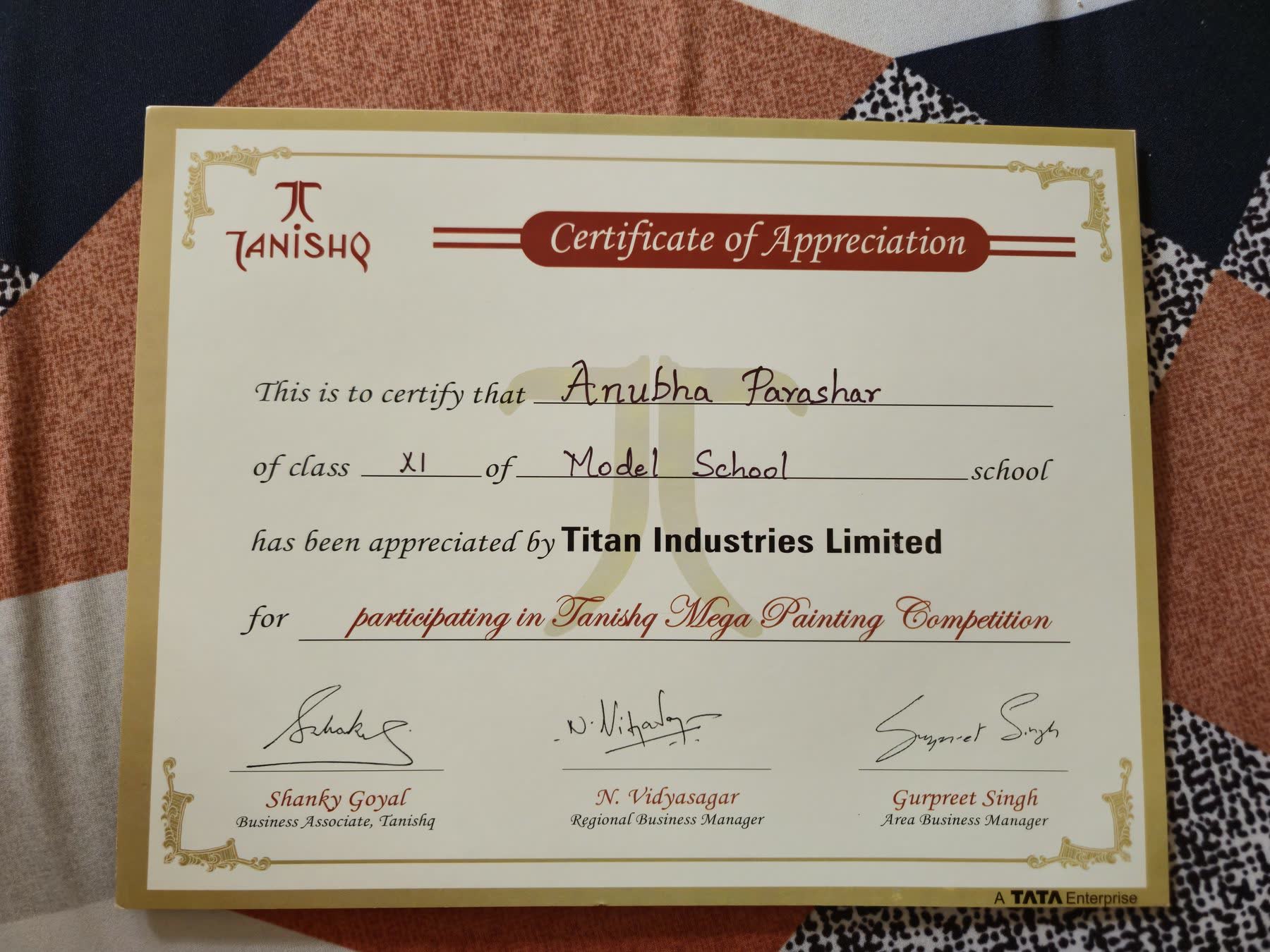
My earliest certificates remind me that this love began very young. In 1997, I received a Meritorious position in the TSI Prestigious Drawing Competition. Later, I participated in the All India Drawing & Painting Competition by FX World in Hyderabad and the Tanishq Mega Painting Competition by Titan Industries Limited during Class XI and Class XII at Model School. These were not just certificates; they were small but powerful milestones that taught me confidence, focus, and the joy of creating something with my own hands.
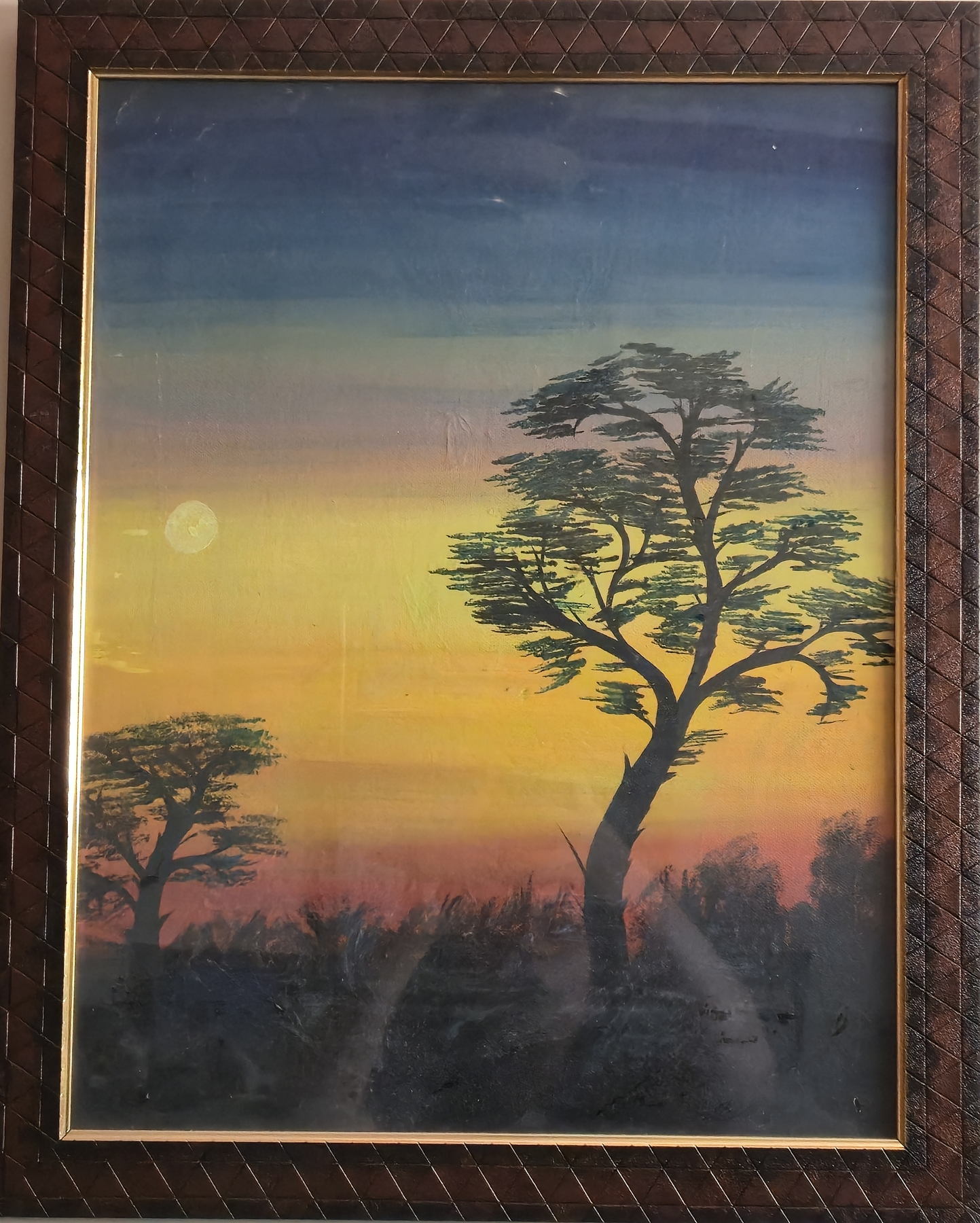
Art gives me a different kind of discipline from research. It asks me to slow down, observe carefully, and trust the process. Every stroke, fold, layer, shade, and handmade texture becomes a reminder that beauty is built patiently.
Over time, this creative practice expanded beyond paper. I explored oil painting, water colour, craft-based compositions, ice-cream-stick work, POP-based art, and decorative handmade pieces. Each medium taught something different. Water colour taught softness and restraint. Oil painting taught layering. Craft work taught structure. POP work taught texture and patience. Together, they made art feel less like a single hobby and more like a language with many dialects.
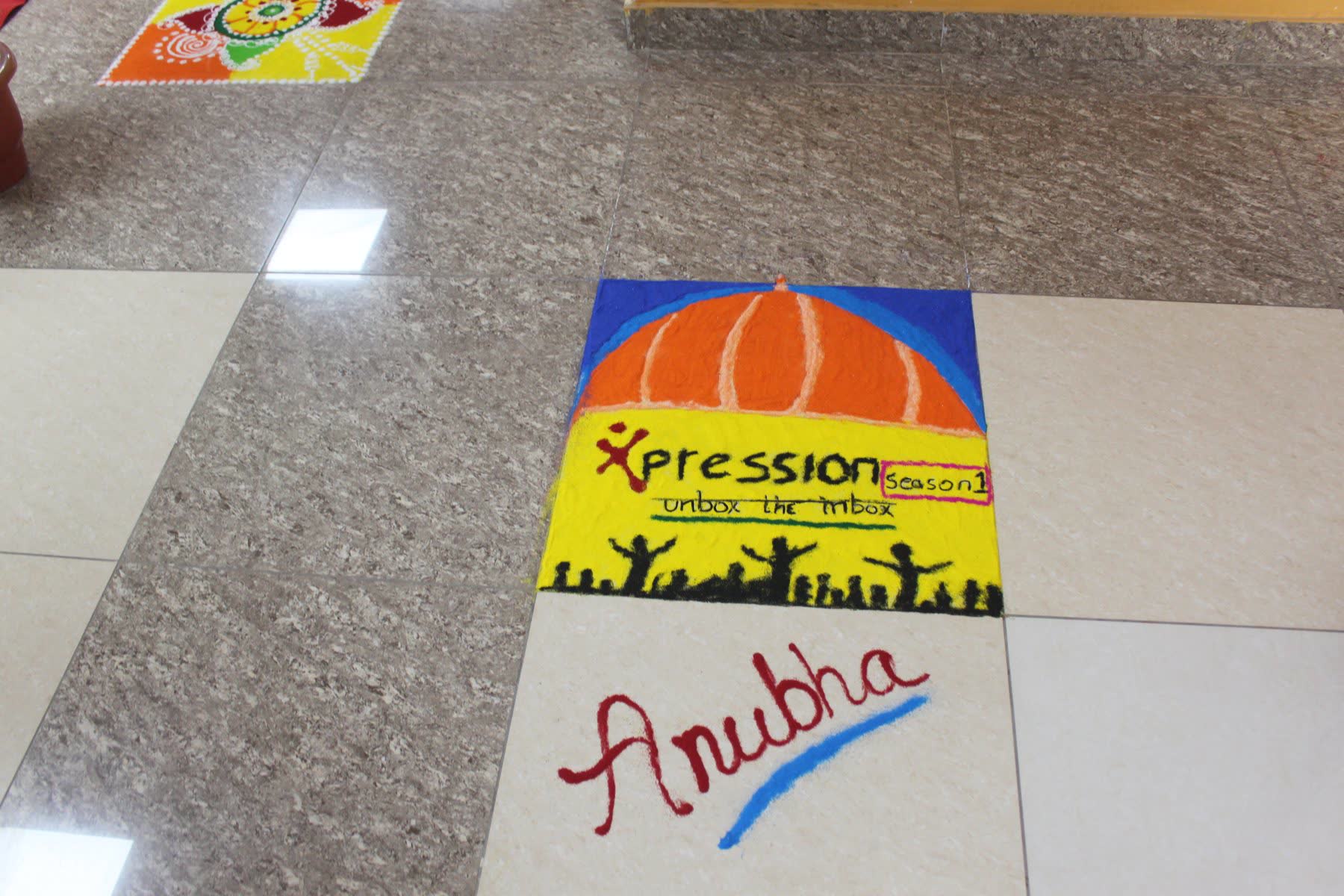
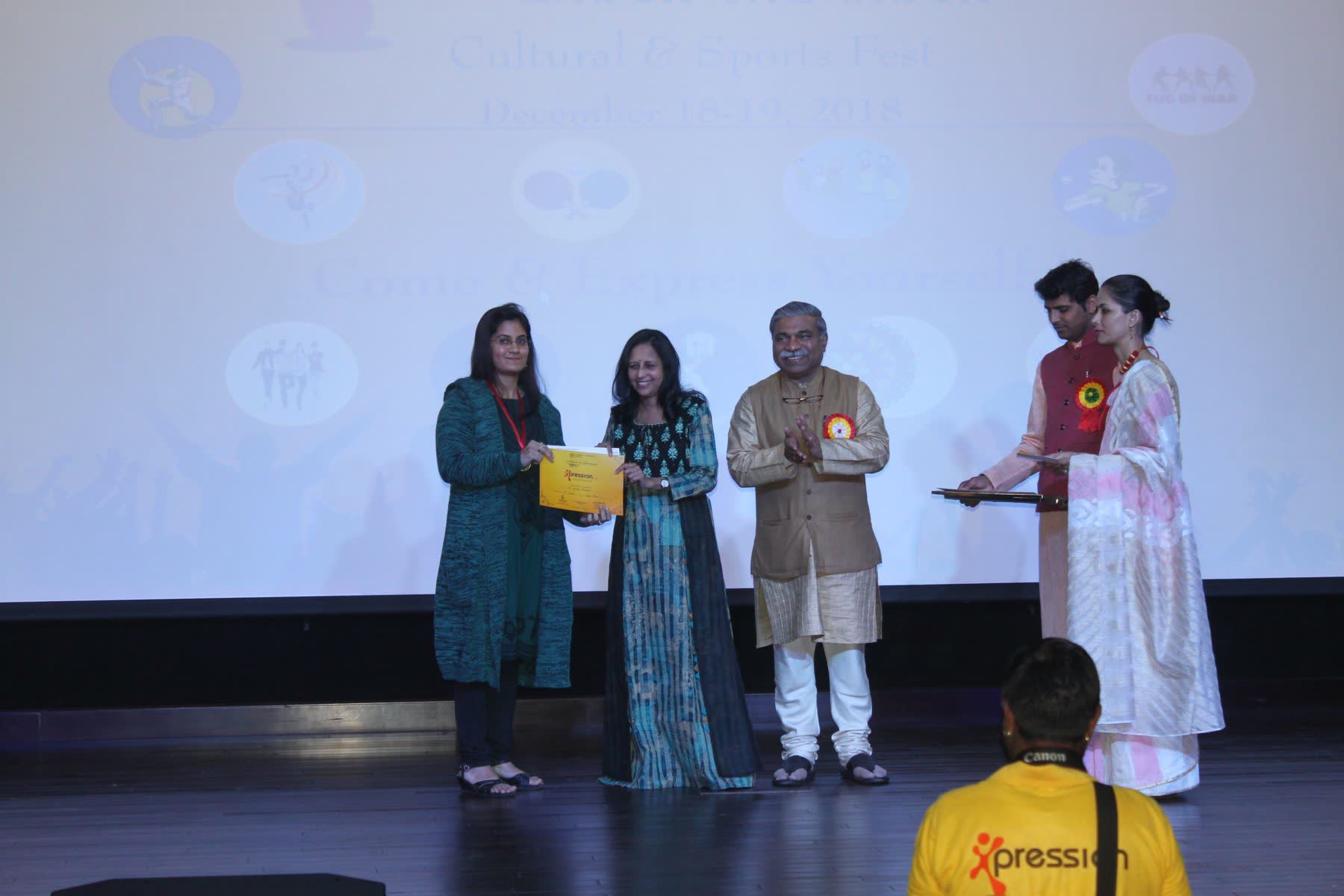
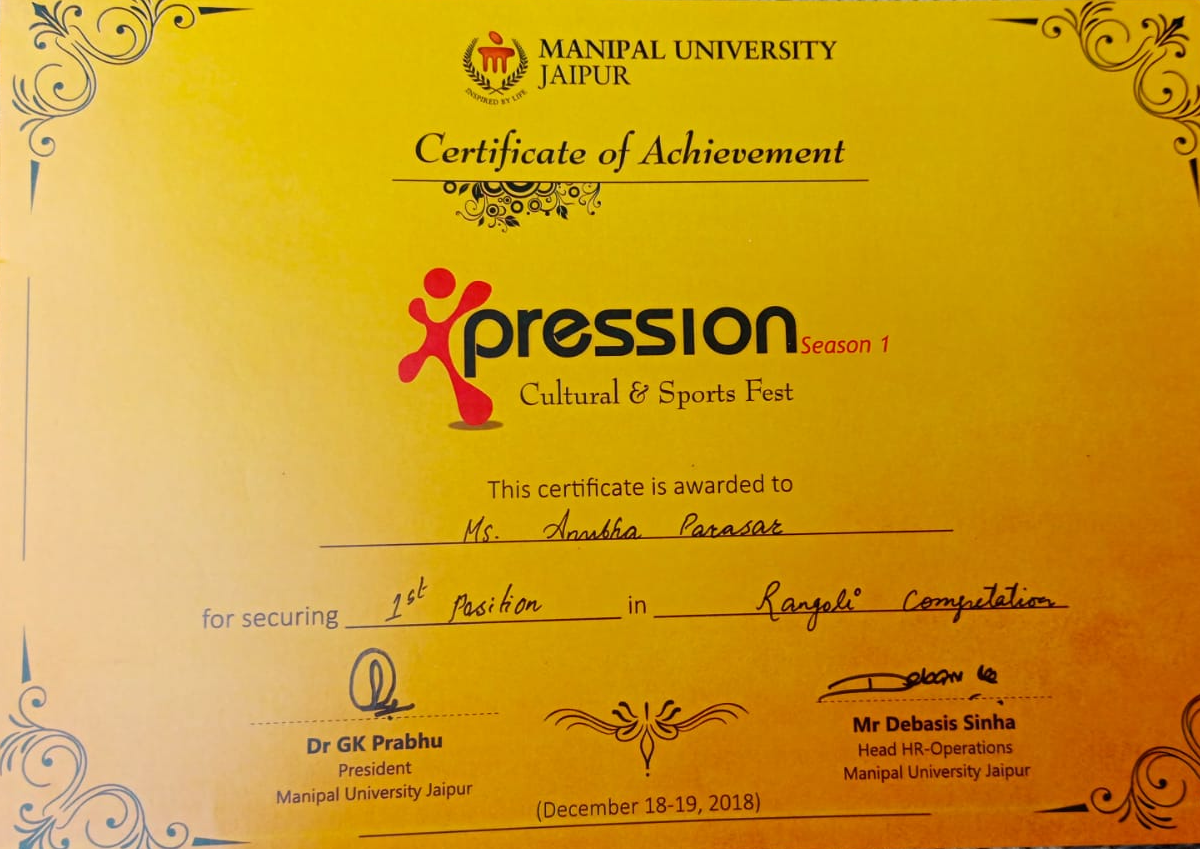
Years later, this love for visual expression continued at Manipal University Jaipur, where I won 1st Position in the Rangoli Competition at Xpression Cultural & Sports Fest. That recognition felt special because Rangoli connects creativity with tradition. It is detailed, colourful, temporary, and deeply Indian. Creating it felt different from painting on paper, but the heart of the process was the same: patience, balance, and devotion to detail.
Today, painting and drawing remain very close to me. They are not only hobbies; they are a way of returning to myself. In research, I solve problems by breaking them down logically. In art, I solve them by feeling my way through colour, shape, and composition. Both require discipline. Both require courage. Both begin with a blank space and the belief that something meaningful can emerge from it.
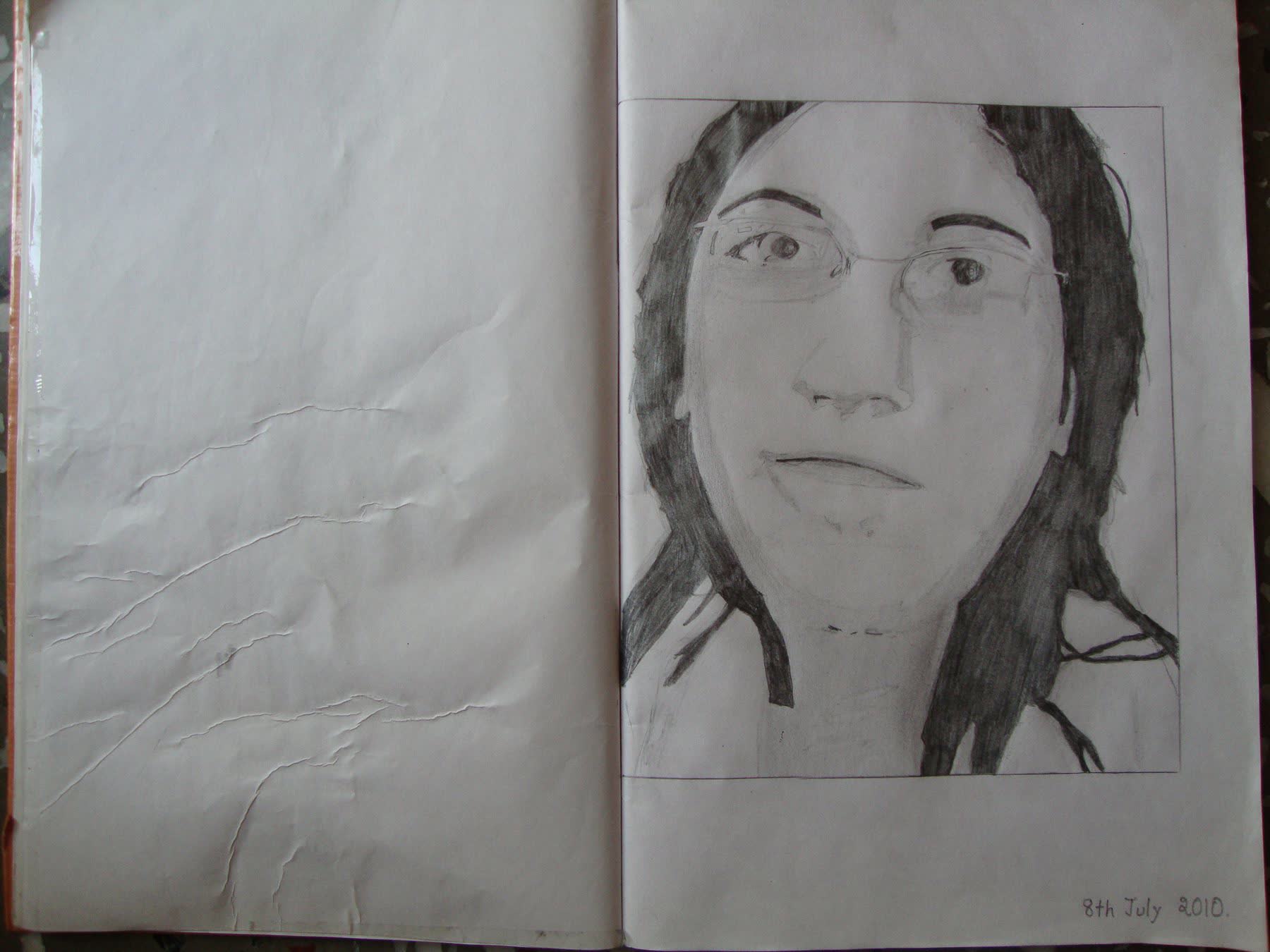
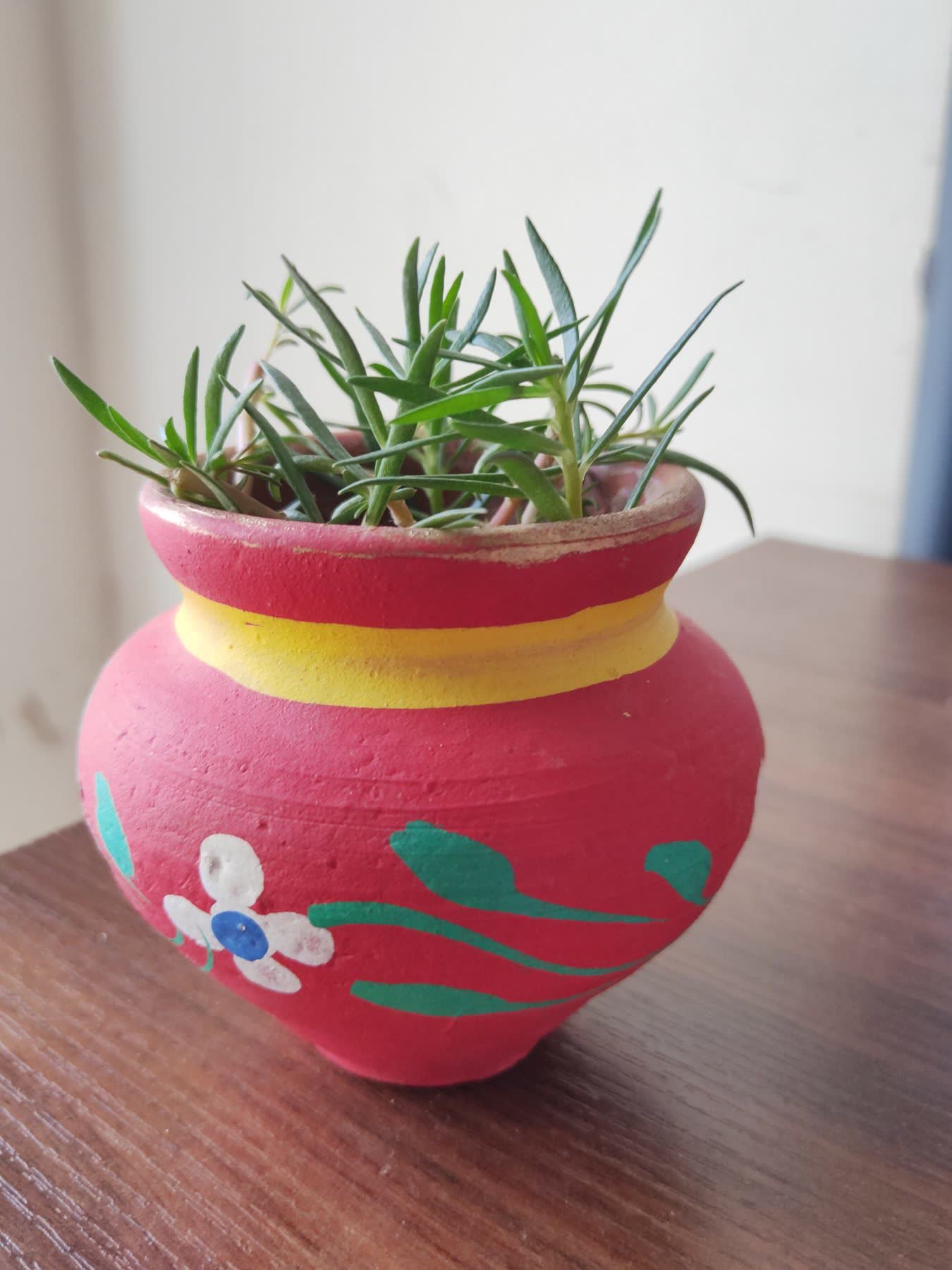
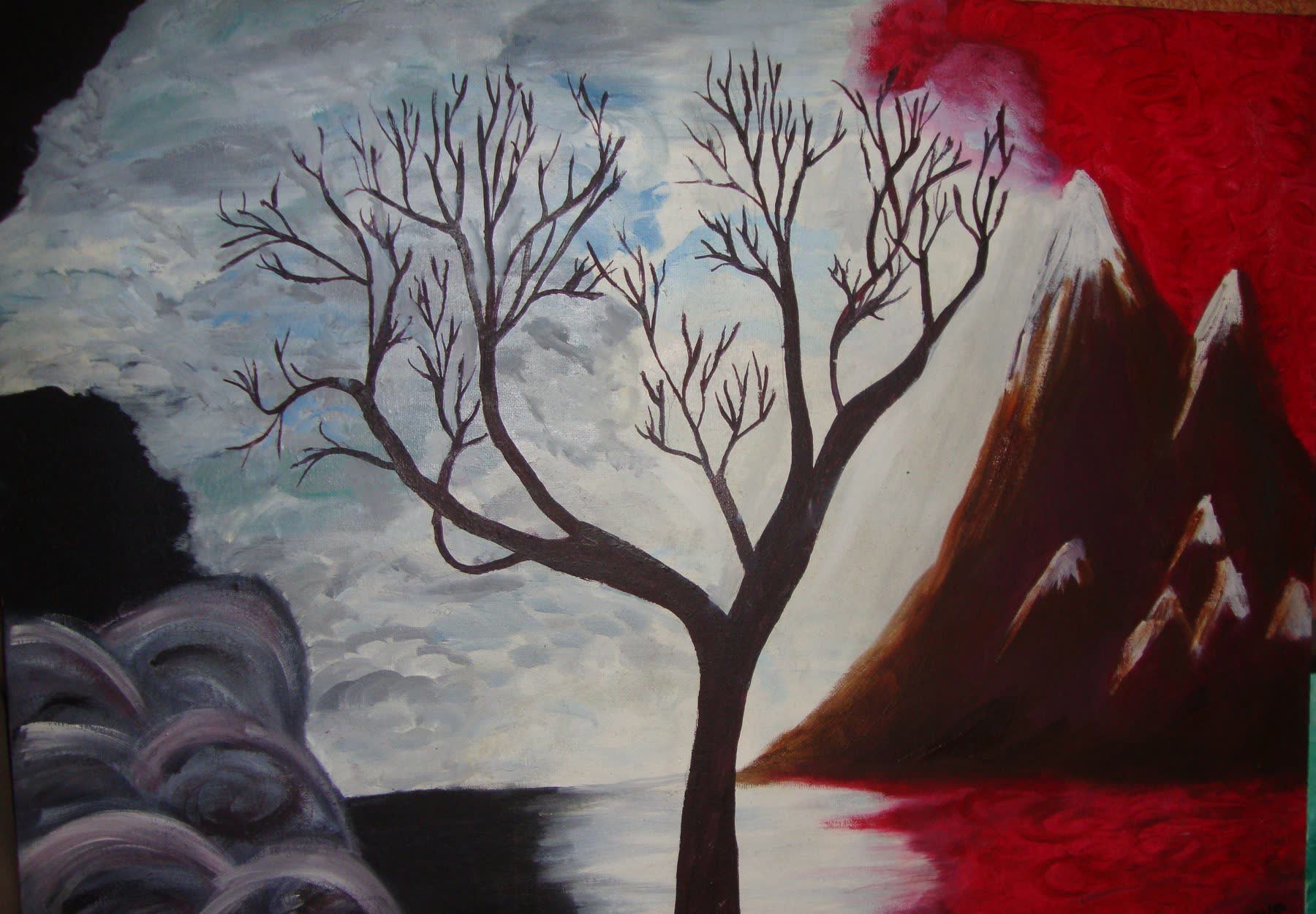
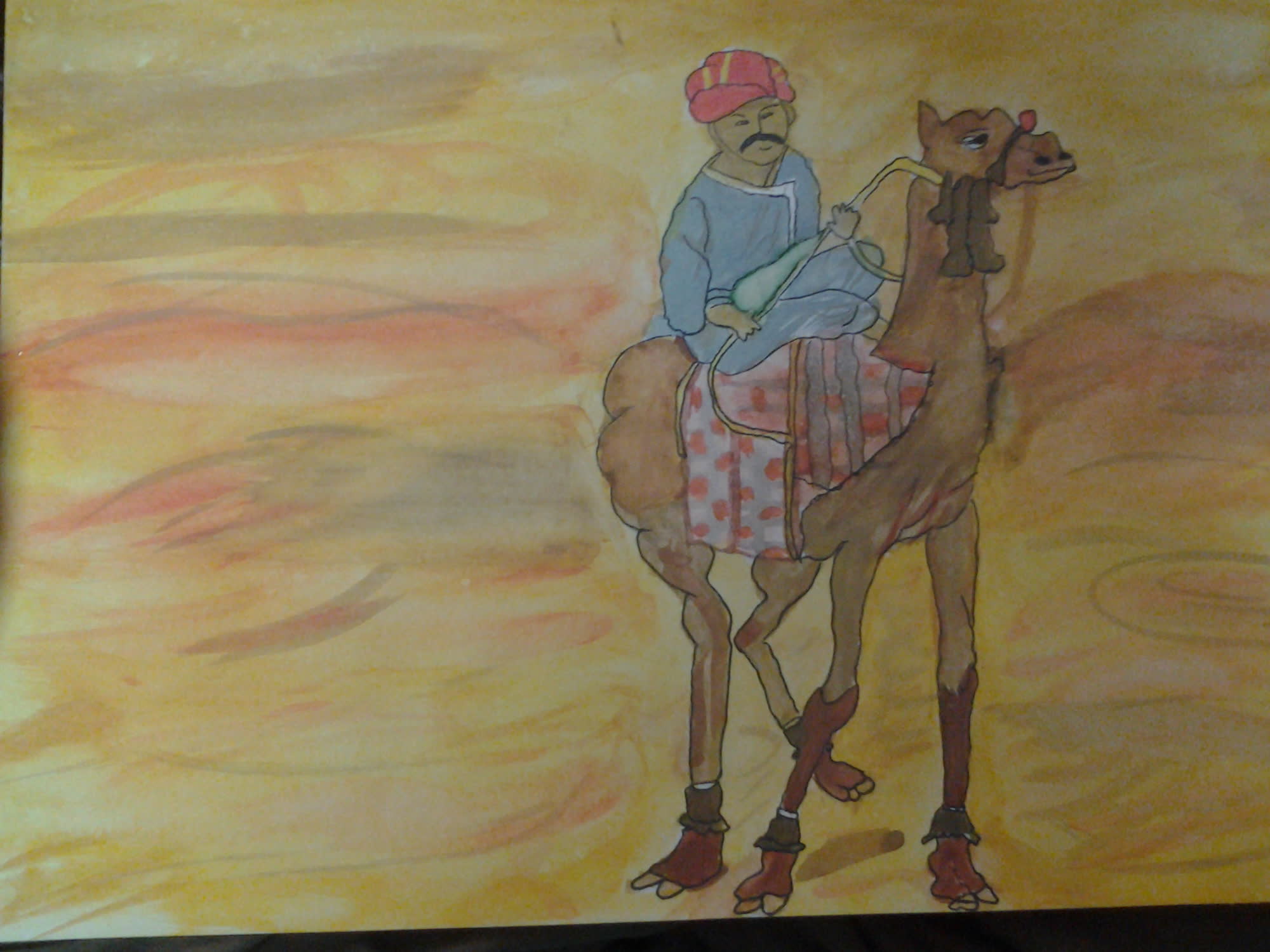
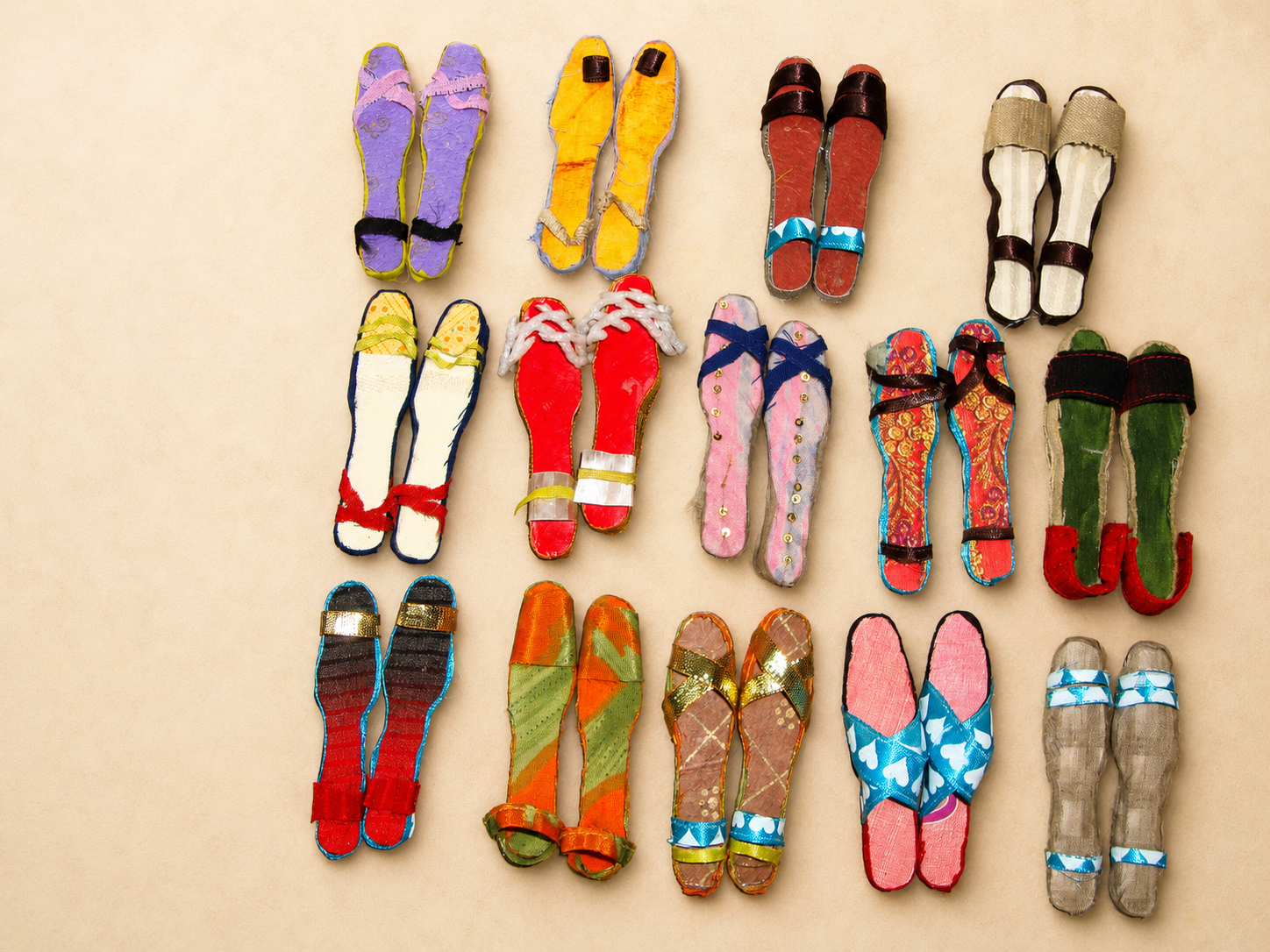
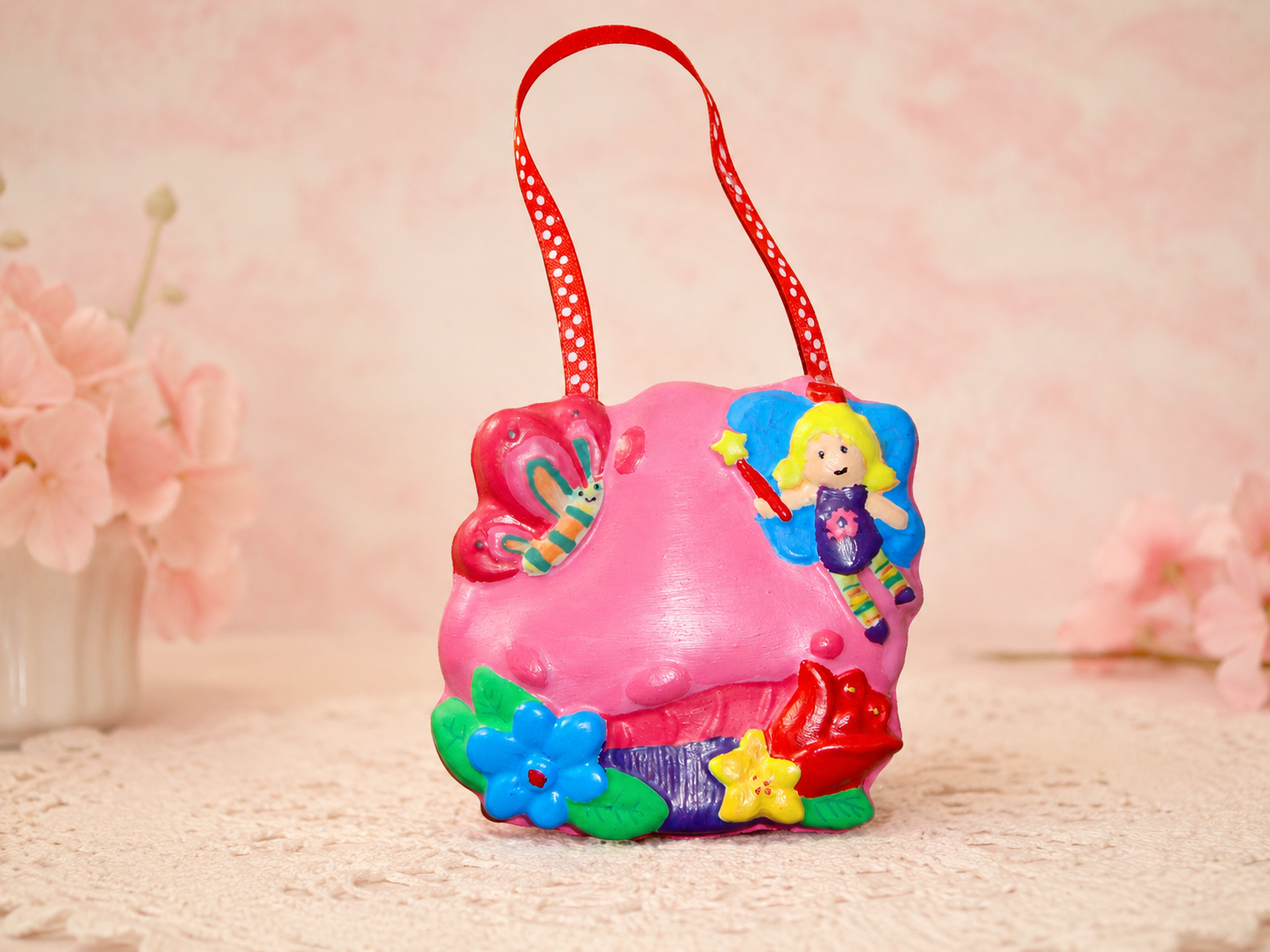

This gallery keeps the complete artwork archive visible as thumbnails and opens each piece in the lightbox.
This certificate and medal preserve a special Rangoli achievement at Manipal University Jaipur, where creativity, patience, and tradition came together beautifully.
A school painting recognition that reflects early creative confidence and the joy of participating in a wider art competition.
This certificate keeps another school art milestone visible, marking the discipline and care that drawing competitions encouraged.
An All India drawing and painting certificate from the school years, showing how art became a source of confidence and focus early on.
This early certificate from 1997 is one of the first reminders that drawing was more than a pastime; it was a place where imagination found confidence.
Origami is pure applied mathematics — a flat sheet of paper transformed into a three-dimensional form through nothing but precise folds. I find it deeply calming and endlessly fascinating.
Each model demands full attention; a single errant crease can unravel the whole structure. That rigour resonates with me as a researcher. I enjoy folding complex modular designs and traditional cranes, and often use origami as a way to explain spatial reasoning and transformation concepts to students in a tangible, tactile way.
There is something profoundly satisfying about holding a finished model — knowing that structure and beauty emerged from nothing but careful, deliberate action on an ordinary piece of paper.
Magic is the art of misdirection, precision, and storytelling — skills that translate surprisingly well to teaching and presenting research. I enjoy learning card sleights and close-up illusions, and occasionally perform for students and colleagues.
There is something wonderful about creating a moment of genuine wonder in someone's eyes. It is a reminder that not everything needs to be explained immediately, and that surprise is one of the most powerful tools a communicator has. A great magic trick and a great research presentation share a common structure: setup, tension, reveal.
I use magic occasionally as an icebreaker in lectures. Nothing grabs a student's attention quite like an impossible card trick — and once you have their curiosity, you can take them anywhere.